


















How To Reduce Cat Stress with a Cat-Friendly Home: A Happy Cat Expert Explains!


Our homes aren’t just ours, they’re our cats too! That’s why it’s important to create a cat-friendly home so they feel as comfortable as we do.
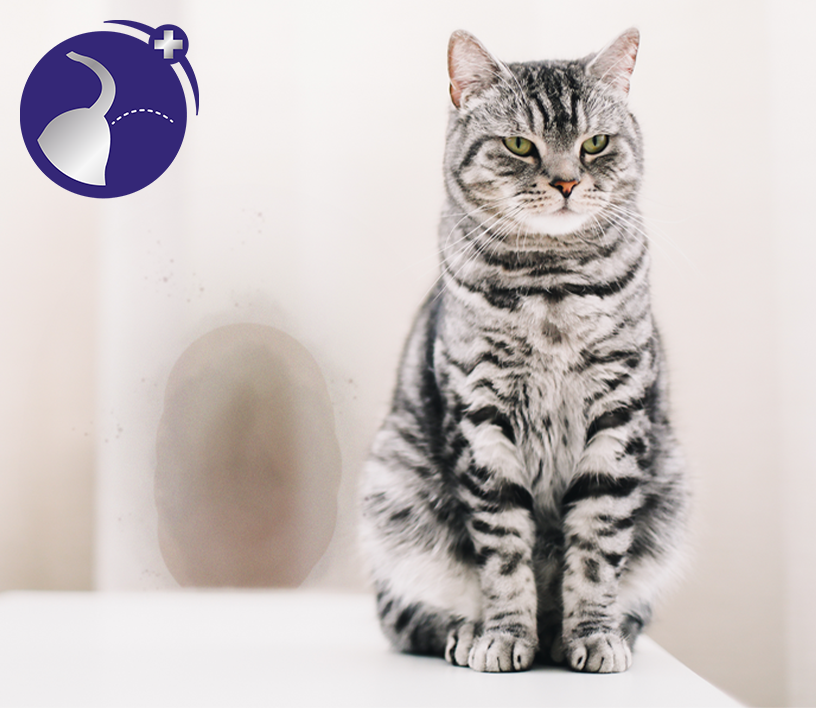
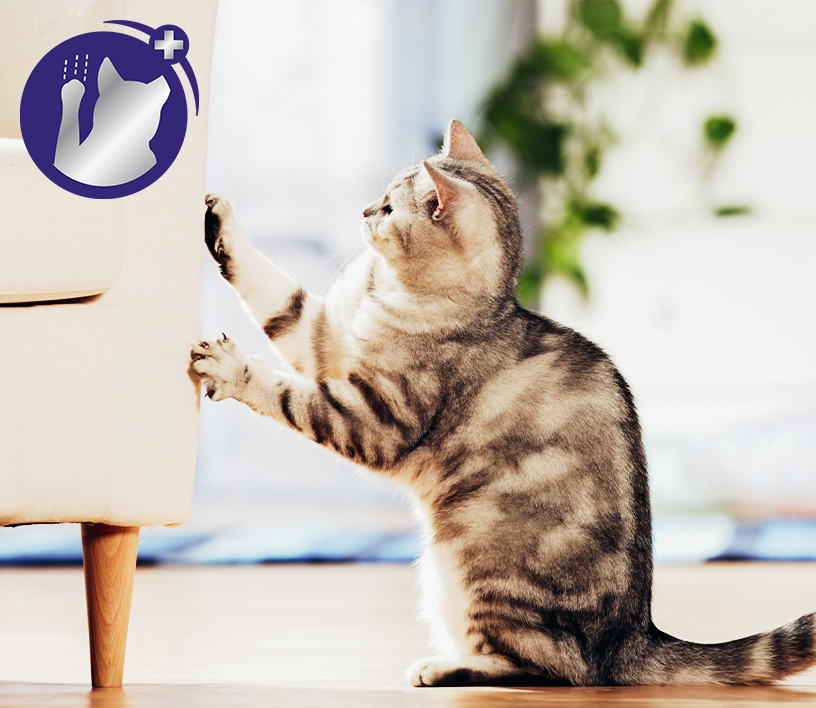
Cats know every detail of their space, exploring it calmly and marking their territory through rubbing, scratching, or sometimes urine spraying, which helps them feel secure and claim it as their own.
In this article, we’ll learn more about a cat’s physical environment and how it can be used to support a cat-friendly home, providing practical guidance to reduce cat stress from their environment and support their natural behaviours.
What Causes Cat Stress At Home?
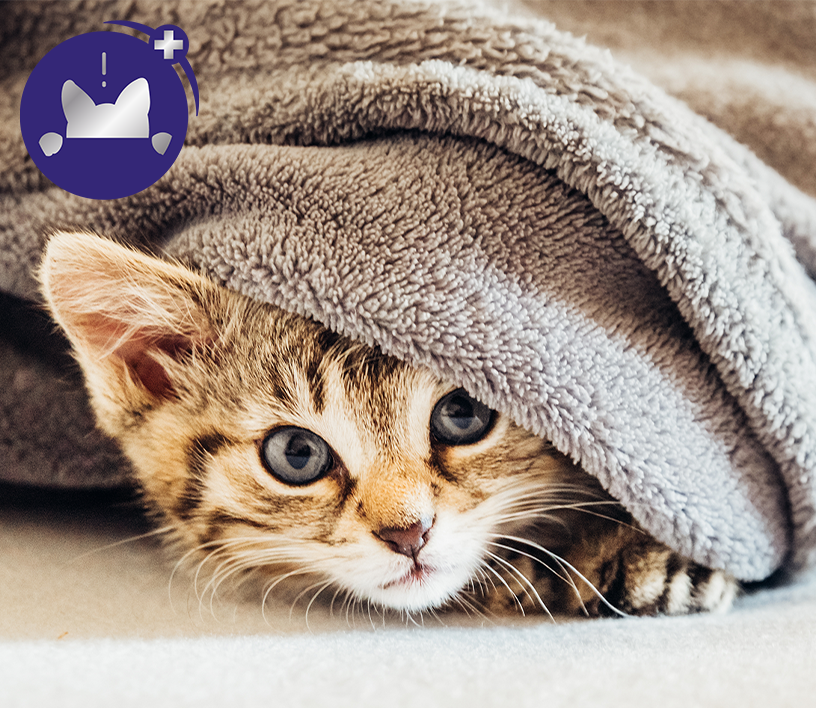
If you’ve noticed changes in your cat’s body language at home, such as an anxious demeanour or shying away from situations, you may be wondering, what is it that’s causing your cat stress?
Cats like routine and predictability, so anything outside of their comfort zone can make them feel uncomfortable. Some common causes of cat stress at home can include:
-
Removing cats from their homes – especially if it’s unplanned or they are unprepared
-
Limiting or changing their access – this could be to areas in the house or resources such as where they eat or litter trays
-
Remodelling or redecorating the house – disruptions and change from renovations bring unpredictability
-
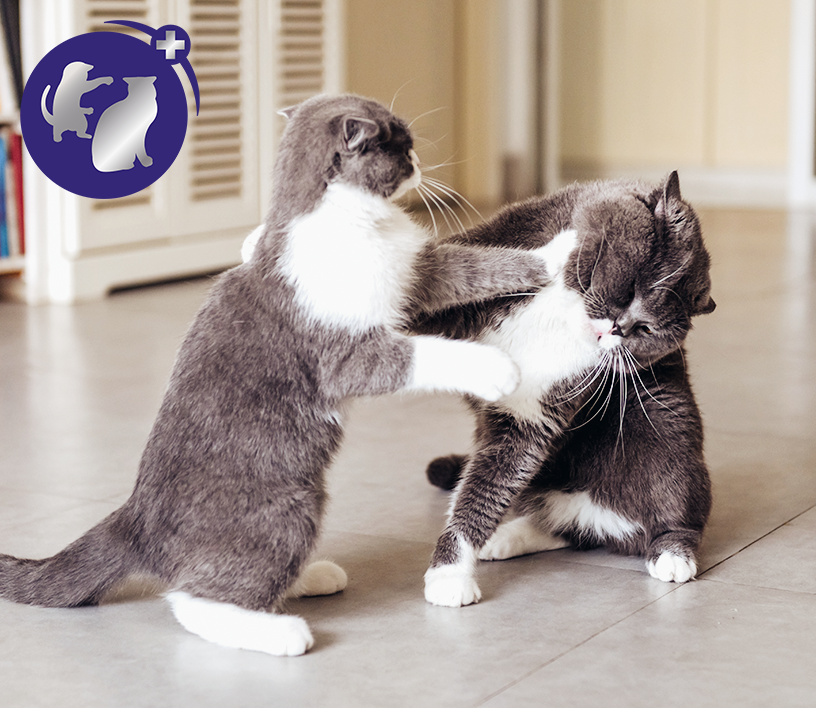
Receiving territorial threats – such as neighbourhood cats, noisy visitors or loud sounds outside

Creating A Cat Friendly Home To Reduce Cat Stress
To support cats’ physical and emotional health, we must ensure that our households are safe and stable, with plenty of resources and little-to-no threats. This is what we call creating a cat-friendly home.
While a cat’s home is their territory, technically speaking, territory refers to a defined part of the cat’s physical environment. This could be where they eat, urinate and defecate, rest and sleep.
How Much Space Does a Cat Need?
When thinking about how to tailor your environment to your cat’s needs, you might instantly think about giving them more room, but how much space does a cat really need?
In fact, a cat’s home is more than just the physical space of your house. It includes their core territory, used for activities such as resting, playing and eating, as well as wider territory areas they use for exploring, roaming and hunting. Collectively, these make up a cat’s home range.
Research on feral cats shows that, depending on factors such as food availability and neuter status, males can use areas of up to 12 hectares (about 120,000 square meters) and females up to 7 hectares (about 70,000 square meters)!
This shows that it is not just the size of the home that affects cats. Other factors can also cause them stress, so managing their environment thoughtfully can help your cat feel safe and secure in their home.

How to Support a Cat Friendly Home Range
Whether your home is a small apartment with a balcony or a three-storey house with a large garden, a cat will regard it as their home range, which includes their territory and core territory. The way each part is used will depend on the cat but also on how we arrange and provide access to key resources, such as the following:
-
Litter boxes
-
Water and food bowls
-
Scratching posts
-
Beds
-
Toys
-
Hiding places
-
Access and restrictions
Multiply, Decentralise and Sectorise
To make sure all your cat’s environmental needs are met, I suggest you consider a kind of mantra for a cat-friendly home: “multiply, decentralise, and sectorise”. By considering your cat’s home range, territory, and core territory, you can create a secure space that helps reduce cat stress and supports their natural behaviours.
Multiply
Provide multiple key resources, such as litter boxes, scratching posts and beds even if you only have one cat. The general rule is to always have more resources than the number of cats you have. For example, if you have two cats, ideally you should have three litter boxes, following the “number plus one [N+1]” approach for the other resources as well.
Decentralise
All key resources should be distributed throughout the house, in places that make sense for your cat, such as:
-
Litter boxes – towards the periphery of the territory
-
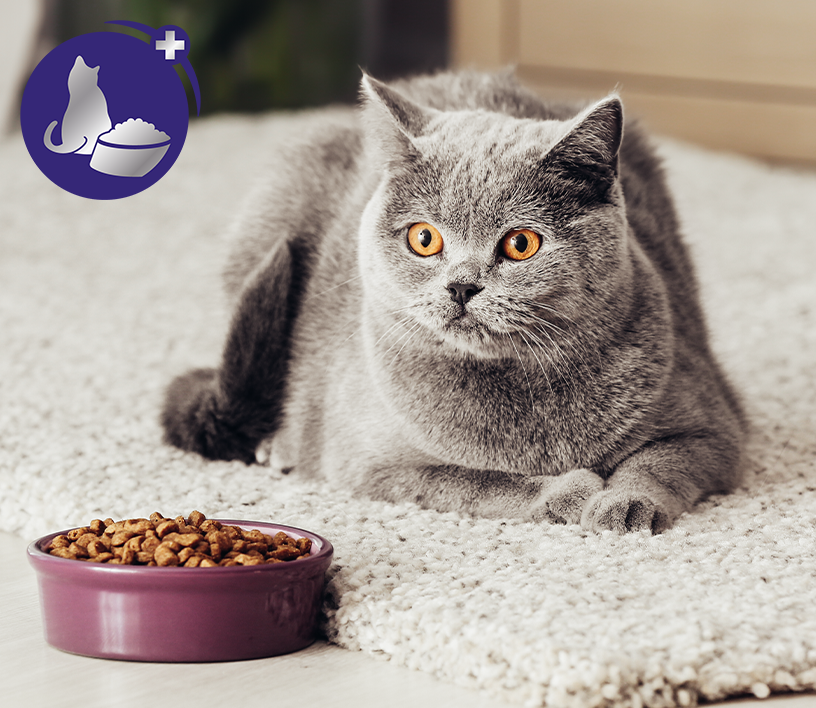
Beds, food and water bowls – in the core territory (where they rest, eat and play)
-
Scratching posts – near doors and windows, hallways and passages or other periphery locations
Avoid clustering resources, like placing several litter boxes side by side. In multi-cat households, decentralisation allows each cat to access their resources independently, reducing tension and preventing conflicts.
If your home is smaller, you may not be able to comfortably multiply resources. In these cases, prioritise decentralisation to ensure cats can access what they need without stress.

Sectorise
Create stations for specific activities, for example:
-
Food stations for eating
-
Water stations for drinking
-
Toileting areas – separate from food and water stations
-
Sleeping areas – separate from food, water, litter trays, and toys
-
Play areas – distinct from resting, feeding, and toileting zones
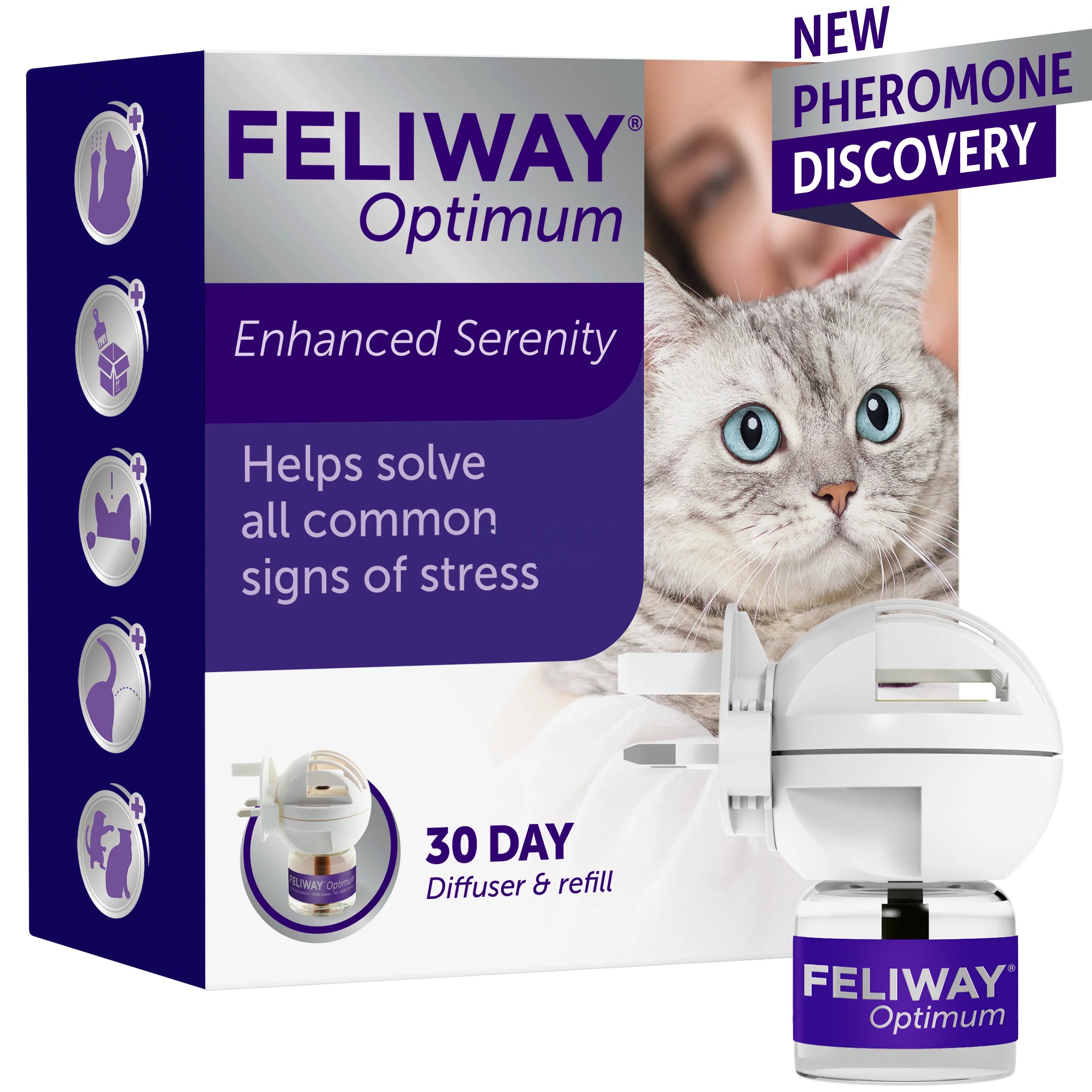
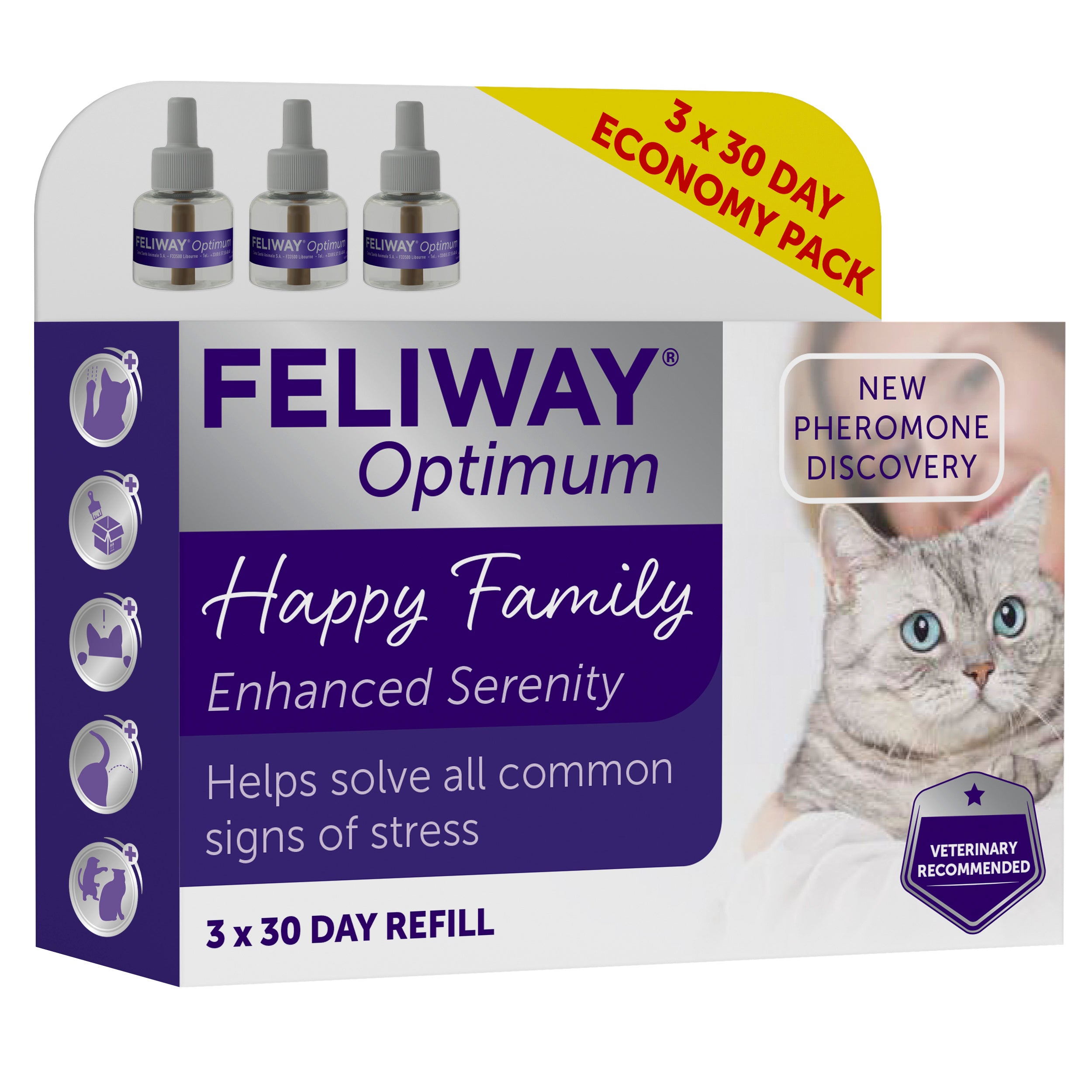
This prevents resource overlap and strengthens your cat’s sense of security. You can also send your cat calming pheromone messages in your cat’s core territory by using the FELIWAY Optimum diffuser. Simply plug it into your cat’s favourite room, where they spend the most time, to promote calm and security in this space.
Applying the Mantra in Your Home
-
Spacious homes – fully apply multiply, decentralise and sectorise.
-
Smaller homes – use fewer multiples but decentralise and sectorise as much as possible.
-
Friendly multi-cat households – follow the mantra, but with no excessive modifications.
-
Households conflicts between cats – use the mantra to its fullest potential to reduce stress and conflict.
By applying the multiply, decentralise, and sectorise approach, you are creating a cat-friendly home built on a strong understanding of your cat’s territory, needs and relationships. This thoughtful approach helps reduce cat stress, prevents conflicts, and supports their natural behaviours.
If you’d like to learn more about your cat’s behaviour and how to support their well-being, keep exploring the FELIWAY blog. And while you’re here, don’t forget to sign up to our newsletter for expert tips, advice, and the latest insights delivered straight to your inbox!