






















Whisker Fatigue: Are Your Cat’s Whiskers Causing Them Stress?


Whisker fatigue may not be a term we’ve all come across, but it’s definitely one worth thinking about. So, what is whisker fatigue? And could it be affecting your cat’s comfort at home?
Firstly, it helps to understand that even small details in your cat’s environment can make a big difference to how safe and relaxed they feel. And because cats are such sensitive and perceptive animals, something as simple as the shape of a food bowl can quite easily influence their experience at mealtimes.
But to answer this properly, we need to dig into the details. We do love a good question here at FELIWAY, so let’s explore the possible symptoms of whisker fatigue together, and how you can help create a calmer feeding routine for your cat.
What Is Whisker Fatigue?
To understand what whisker fatigue is, we first need to understand just how remarkable a cat’s whiskers are.
Whiskers (scientifically known as vibrissae) are highly specialised sensory hairs. They’re deeply embedded in a cat’s skin and directly connected to the nervous system, which makes them extremely sensitive to touch and vibration.
Cats use their whiskers for a whole range of functions: to detect air currents, judge spaces, navigate in low light, and sense objects around them. And the list doesn’t end there – they even play a role in body language and communication.
But as you might expect of such a highly sensitive and frequently used sensory system, it’s all too easy for overstimulation to occur. When a cat’s whiskers are repeatedly bent, pressed, or rubbed against surfaces – such as the sides of narrow food bowls – the constant stimulation can become uncomfortable. Over time, this can lead to what’s known as whisker fatigue.

Does That Mean Whisker Fatigue Is Real?
The concept of whisker fatigue is based on the known sensitivity of whiskers and how repeated contact can potentially become uncomfortable for some cats. While the concept makes sense from a sensory perspective, however, scientific evidence is still developing.
Interestingly, a recent 2020 study found that feeding from a “whisker-friendly” dish did not significantly change how much or how quickly cats ate. However, some individual cats did appear to prefer this dish.
What this tells us is important. As with many aspects of feline behaviour, every cat is unique. The likelihood is that some cats are more susceptible to whisker fatigue than others – but that doesn’t mean to say whisker fatigue isn’t real for all cats.
What Causes Whisker Fatigue?
Despite the study mentioned above, the most common triggers of whisker fatigue in cats are believed to be food and water bowls – even if they don’t necessarily affect your cat’s eating habits.
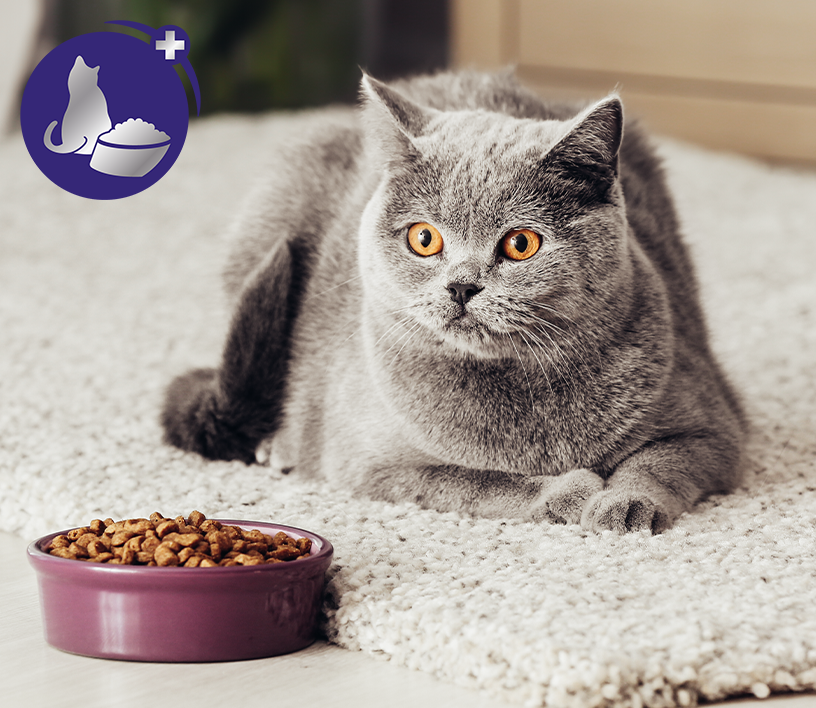
If a bowl is too narrow, too deep, or steep-sided, your cat’s whiskers may repeatedly brush against the sides while eating or drinking. And because whiskers are so sensitive, this constant stimulation could be uncomfortable for some cats.
That said, it’s not just bowls. Any repeated brushing of whiskers against hard surfaces may contribute to overstimulation.

Whisker Fatigue Symptoms: Signs to Look Out For
There are a range of cat behaviours and symptoms that may suggest whisker-related discomfort. These include:
-
Pawing food out of the bowl to eat it from the floor
-
Hesitating or pacing around food or water bowls
-
Walking away before finishing meals
-
Drinking from taps rather than bowls
-
Appearing “fussy” about food
If you notice your cat being a bit picky around their food, it may be worth observing their feeding set-up. However, these behaviours are not exclusive signs of whisker fatigue.
Cats are masters at hiding discomfort, so any changes at mealtimes could also indicate:
-
Dental pain
-
Gastrointestinal upset
-
Other underlying medical conditions
If you notice sudden changes in eating or drinking habits, a veterinary check is always recommended to rule out any health concerns.
How to Prevent Whisker Fatigue
If you suspect whisker fatigue may be affecting your cat, small environmental adjustments can make a big difference. Here are a range of steps that can help improve your cat’s comfort at mealtimes – not only by reducing whisker fatigue, but by creating a more positive overall experience.
Choose Wide, Shallow Bowls
With narrow food bowls being one of the biggest causes of whisker fatigue, try opting for:
-
Wide dishes
-
Shallow plates
-
Low-sided bowls
Interestingly, some bowls meant for small dogs can actually be ideal for cats because they allow whiskers to remain free from contact with the sides.
Provide Multiple Water Sources
Similarly, narrow water bowls can pose an issue. Consider offering:
-
Wide water dishes
-
Water fountains that allow your cat to sip from the edge
Flowing water can also appeal to cats’ natural instincts. In the wild, moving water is often safer than stagnant sources.

Consider Bowl Material
Each cat has their own preferences, with many cats preferring ceramic or stainless-steel bowls over plastic. One reason for this may be that plastic bowls can retain odours from food and cleaning products, which especially sensitive cats may dislike.
Just be mindful that stainless steel can sometimes be reflective or noisy for more sensitive individuals.
Keep Bowls Clean
Lingering smells can deter cats. Wash bowls regularly with mild, fragrance-free products.
Lick Mats As a Whisker-Friendly Option
Lick mats can be an excellent, whisker-friendly way to offer wet food or treats. They allow your cat to lick from a flat surface rather than placing their face into a bowl, meaning no risk of whisker fatigue.
They’re also perfect for serving delicious options like Happy Snack by FELIWAY, supporting a calm and positive experience in a way that cats love.
Keep Food & Water Separate
In nature, cats don’t usually eat and drink in the same place. Separating food and water stations can feel more natural and comfortable.
Choose a Quiet Location
Similarly, it’s a good idea to consider where food and water bowls are located. Cats prefer to eat where they feel safe and undisturbed, so try placing them:
-
Away from cat flaps
-
Away from floor-to-ceiling windows
-
In low-traffic areas

Provide Enough Resources for Multi-Cat Households
Competition or feeling watched can create stress at mealtimes. If you have more than one cat, it’s important to ensure each cat has their own resources – including their feeding station – and that they’re all spaced apart. A good rule of thumb is to provide at least one of each resource per cat, plus one extra.
Elevated Feeding Stations
For older cats, raised bowls can reduce the need to bend their necks and bodies, offering extra comfort.
Supporting a Calm Feeding Routine with FELIWAY
Whether or not whisker fatigue is the main cause of mealtime tension, the goal is always the same: helping your cat feel safe and relaxed.
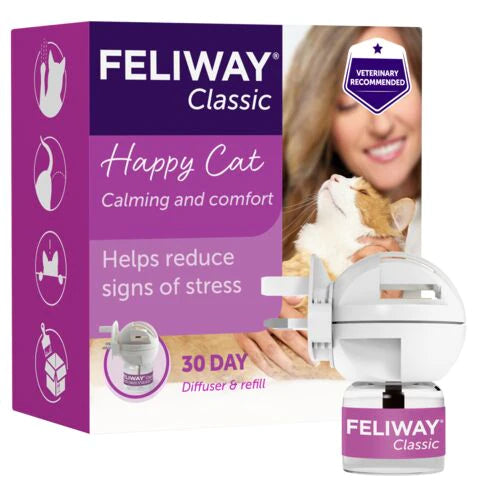
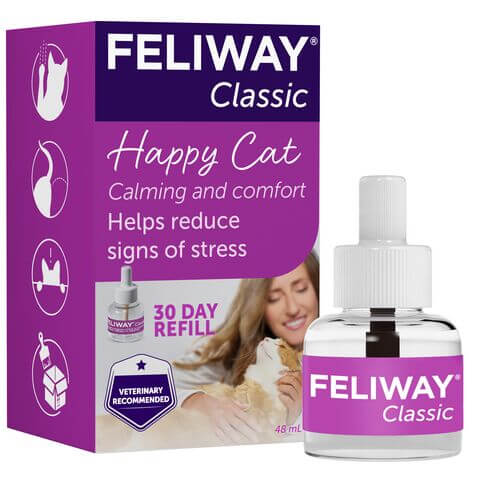
If your cat seems unsettled around feeding areas, creating an overall calming environment can help. Using a FELIWAY Optimum diffuser near your cat’s feeding spaces is a great way to support emotional comfort and help reduce stress in the home.
Remember, feeding time should feel predictable, peaceful, and positive!
Every Cat Is Unique
So, is whisker fatigue real? For some cats, whisker sensitivity is definitely a factor, while other cats may be unaffected.
The key is observation and support. By understanding the potential signs of whisker fatigue and making thoughtful adjustments, you can help ensure your cat’s daily routines feel comfortable and secure.
If you’d like to learn more about feline well-being, explore more of the FELIWAY blog online for expert-backed advice and insights. And don’t forget to sign up to our newsletter to stay up to date with the latest tips and product support for a happier, calmer cat!