


























How Kittenhood Shapes Behaviour: A Happy Cat Expert Explains!


The life cycle of a cat is made up of several developmental stages. In each stage, experiences – positive and negative – shape that individual’s resilience to stressors, leading to greater tolerance or increased anxiety and fearfulness. Let’s explore those cat development stages, the risk factors in each, and how we can help our pets find their happy ending.
We will divide our lifespan story into a beginning, middle, and end, and then discuss how each of those general stages of cat growth may lead to some mental health struggles.
The Beginning of the Cat Life Cycle
It was a dark and stormy night – the way any good fairytale begins!
And just as the beginning of a good book sets you up for the rest of the story, the prenatal and neonatal environments set up the physical and emotional health for a cat’s life. Let’s start examining the early part of a cat’s life - the kitten development stage - by looking at how they set up their social structure, then move on to the individual’s development.
Colonies & Social Structures in Early Cat Development Stages
When there are sufficient resources like food, water, and safe shelter, cats become social creatures.
Most colonies (or groups) of cats are matriarchal, which means that the females (not males) create a group of conspecifics or peers. This usually consists of female relatives that co-raise the kittens. Unfamiliar cats are not allowed to enter their home territory, which may be as large as hundreds of acres.
When they reach a certain age, male kittens are forced out of the colony and need to seek another. This may be nature’s way of limiting inbreeding. Adult male cats are only welcome for the purpose of mating, although some males will stay at the boundary of the colony’s territory to protect their resources from strange males

Feline Genetics
In most species, individuals inherit their essential traits from their parents. In cats, this unique combination of genetic information contributes to body size, coat type, and colour, as well as physical and mental health.
Which breeds and, more importantly, which temperaments the parents supply in their DNA are based on the random combination of that genetic material. This is so important that the male’s temperament affects the kittens’ temperaments – even if they never spend any time together. Studies have shown that friendlier fathers have friendlier kittens, even though the father does not help to raise the kittens and the kittens spend most of their time with the mother and littermates.
Genetics are therefore a key influence across all stages of cat growth, from kitten to senior.
Fetal Maternal Stress & Rearing
In addition to genetics, the chemical environment of the prenatal kitten affects brain development. If the mother is ill, malnourished, or experiences any type of chronic stress, the chemical composition in the uterus can change the way neural pathways develop. In turn, this alters the kitten’s future temperament and propensity for resilience.
How the Womb Environment Influences Development
This chemical composition can change based on certain nutrients in the womb, or even toxins consumed by the queen or created from the mother’s exposures and health. It can also be altered by changes in uterine blood flow, and activation of the stress hormone pathway.
When the mother’s stress pathway is activated and affects the placenta, the fetus’ stress response may also be heightened.
Postnatal Brain Development Stages in Kittens
Once the kitten is born, neurodevelopment does not end. The brain is still changing, and new neural pathways are forming until 9 weeks of age.
Everything that happens during this period – including nutrition, disease, and both physical and social environment – may affect this key development stage in kittens and cats.

The Role of Maternal Care in Early Life
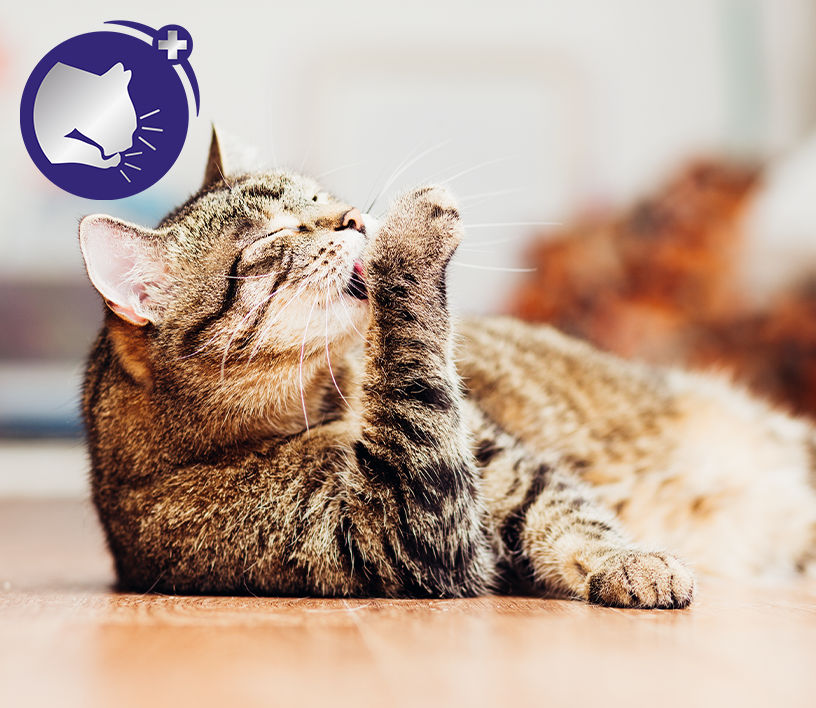
For example, anogenital grooming by the queen stimulates elimination and keeps the nest clean. This diminishes by 5-6 weeks as the kittens learn to eliminate on their own. However, in addition to improved hygiene, grooming serves another important purpose. Kittens that are groomed regularly by the mother are more emotionally stable and have a higher pain tolerance.
The act of grooming releases dopamine, endorphins, and oxytocin. Dopamine is associated with reward and happiness, endorphins relieve pain and make us feel good, and oxytocin facilitates social bonding.
Kittens learn many social and life skills from their mother and littermates, including what and how to hunt, how to play, inhibition of aggression, and appropriate social interactions. Kittens that do not have the benefit of spending time with their littermates tend to show higher levels of aggression than those who do.
Risks of Early Weaning and Poor Socialisation
Studies across many species show the detriment of a poor social environment during the neonatal development stages. Abrupt weaning, early social isolation, or removing a kitten from their mother before 6 weeks of age can cause the kitten to be more fearful, aggressive, or show stereotypic behaviour later in life.
Lack of maternal care can also cause delays in physical growth, poor cognitive development, alterations in the stress pathway, and psychosocial aberrations. Early weaning can likewise impair memory and social learning. Kittens weaned early are more likely to be anxious and/or aggressive.

These conclusions raise concerns about the social development of cats amongst orphans and/or bottle babies. The best option for orphans is to place them with a foster mother. Cats are more open to welcoming strange young than other species are, so fostering tends to be easily accepted – and the kittens then benefit from the nurturing that only a cat can provide.
How to Help Throughout All Stages of Cat Growth
Placing foster kittens with other cats and encouraging early positive socialisation can help get the story started right.
Exposing kittens to various textures and flavours of foods helps lessen the likelihood of a picky eater. Of course, making sure that resources are easily accessible – including food, water, climbing, hiding, litter box, and toys – will help enhance this development.
It is important to watch for common indicators of feline stress, anxiety, or fear. Signs may include decreased grooming, decreased social interactions, decreased exploration or play behaviour, greater proportion of vigilance and scanning behaviour, increased hiding, chronic withdrawal and signs of depression, and alterations in appetite.
Being aware that an adult cat's mental health starts with fetal development and kittenhood may provide opportunities to lessen problems before they even arise – or even before the kitten is born. But what about once these kittens get older? More on that in the next chapter of our Feline Fairytail…
For more fascinating insights from our Happy Cat Experts, keep exploring our articles online! You can also sign up to our newsletter to receive all the latest updates straight into your inbox.