



























How Cats Communicate: 6 Signs Every Cat Parent Should Know


Our feline friends use body language and vocal cues to express their needs and emotions. As cat parents, knowing how cats communicate can not only help us understand them and what they want, but it can help build a stronger bond.
Learning the signs of their communication can help us humans know how to communicate with cats. Although some signs are more subtle than others, recognising the six key signals to look out for in cat communication can help you connect with your four-legged friend much better!
How Do Cats Communicate?
Cat communication uses a mix of body language, vocalisations, scent marking, and touch to convey their emotions, wants, and needs. Even though our kitties can’t speak, they are highly intelligent and can become attuned to human responses. They can sense human emotions from our body language and cues, so it’s important that we can do the same for them.
When understanding how cats communicate, look for all the visual signs, as cats often use a combination of methods. They also use chemical signals, such as pheromones, to mark areas. Humans can’t detect these pheromones the way cats can, but certain behaviours indicate when your cat is sharing or depositing pheromones – such as ‘bunting’, where they rub their cheeks and head against people or objects. This is a crucial part of feline communication, as they use pheromones to define territory, establish social bonds, and convey emotional states.

How Do Cats Communicate With Each Other?
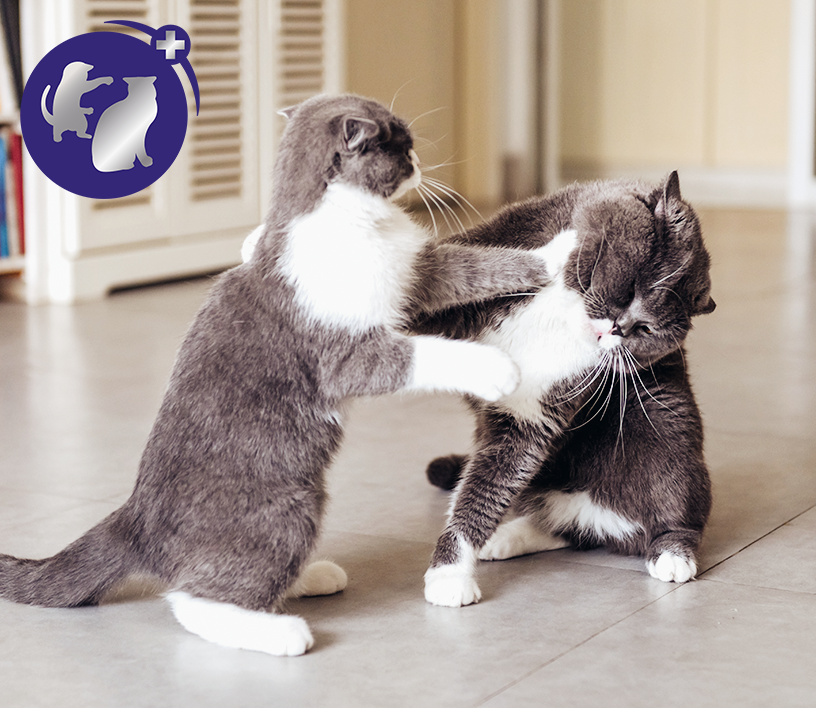
As humans, we can understand our cat’s communication signals better if we also know how cats talk to each other. Cats use many of the same signals with humans as they do with other cats. Learning cat-to-cat communication can help us recognise their body language, emotions and needs more effectively.
Cats communicate with each other using signals such as scent, pheromones, body language and vocalisations to mark their territory or signal their emotional state. However, with humans, cats often adapt their behaviour because we can’t read their signals the way other cats do. This means that they tend to use more exaggerated body language to get our attention and specific vocalisations like meowing, as cats rarely meow at other cats.
Signs of Cat Communication
Tail Movements
When understanding how cats communicate, looking at their tail is a great way to know how they’re feeling. Cats’ tails act as a "mood barometer", much like human facial expressions. They provide immediate, non-verbal cues that show your cat’s emotional state, intentions and physical comfort.
Some key cat tail positions include:
-
Upright with a bend at the top – this is often a greeting or a sign your cat feels safe.
-
Tucked – this is common when a cat feels scared or uncomfortable.
-
Swishing – they may be focusing on a toy or prey, or it can be a sign of agitation.
- Puffed up – a puffed-up tail with a hunched back and a sideways stance shows they’re startled or feel threatened.
Ear and Head Position
Much like cats’ tail language, their ear and head positions also indicate their mood. They change their ears to convey information, and with close observation, you’ll notice a pattern of emotions even in the subtle gestures of their ears and head.
The key signs to look for are:
-
Ears forward and upright – means they’re content, or they could be alert and curious. This depends on the rest of their body language!
-
Flattened – they feel fearful or threatened.
-
One ear twisted – means they think something interesting is happening over that way, and they’re listening closely.
-
Head held high – a sign of comfort and contentment.
-
Head tilted – shows curiosity or focus. They’re paying attention to something.
- Head rubbing – they’re leaving their scent and showing trust.

Eye Contact
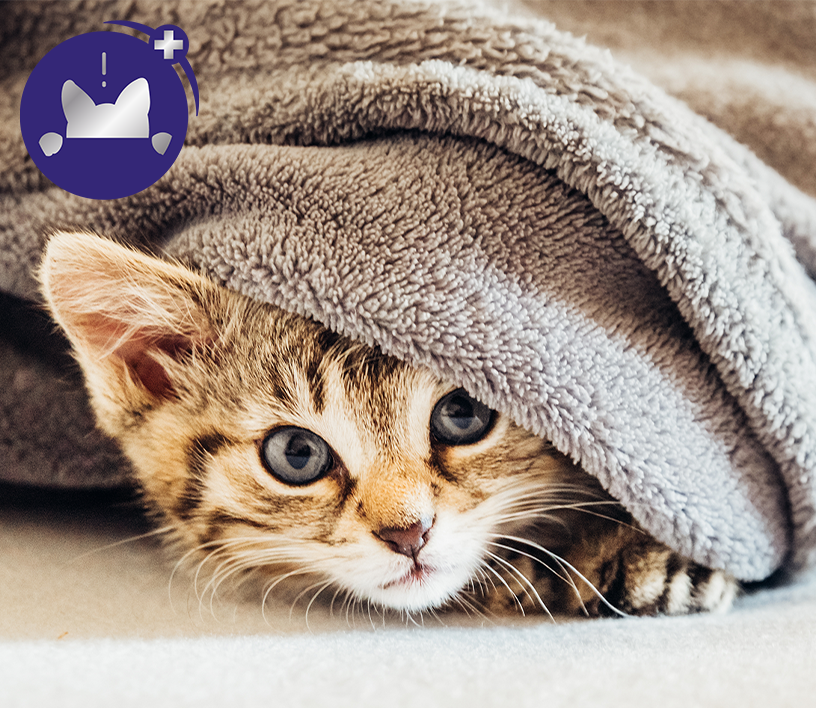
Eyes act as another silent language in cat communication. Subtle changes in eyelid position, pupil size and blinking allow cats to convey a whole range of messages.
Eye signals and their meanings include:
-
Slow blink – it shows they feel safe and comfortable. This is their version of a “cat kiss”. Try communicating with your cat through slow blinks yourself!
-
Dilated pupils – mean they are stressed or feel threatened. This can also happen during play.
-
Staring – with humans it usually means curiosity or a strong focus. But in cat-to-cat communication, this can be a warning.
-
Half-closed – a calm cat will often have soft, relaxed eyes.
Vocalisations
When understanding how cats communicate, their signals don’t all have to be non-verbal. Cats have many vocalisations that signal their needs and emotions too, such as:
-
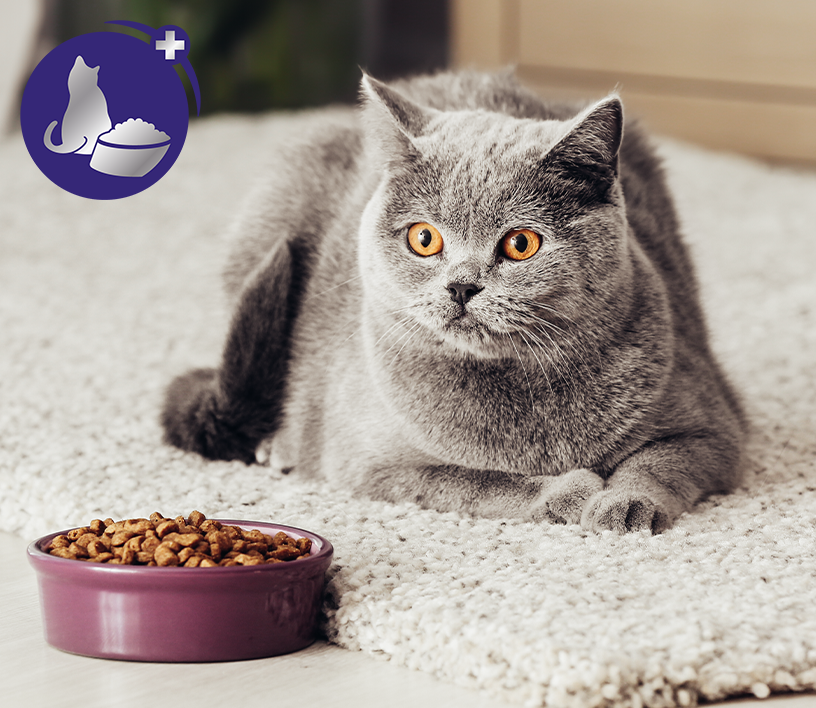
Meowing – usually asking for attention or food.
-
Purring – generally a sign of contentment or self-soothing (though they can also purr when they’re unhappy!).
-
Hissing – used as a warning or a response to fear.
-
Chirping – a friendly greeting or showing excitement.
Body Position
A cat’s body is another visual signal you can read to understand their emotional state. Knowing their body position helps us humans to gauge if they are relaxed, playful, or anxious.
Body positions can indicate different things, like:
-
Loose body tension – means that they’re happy and relaxed.
-
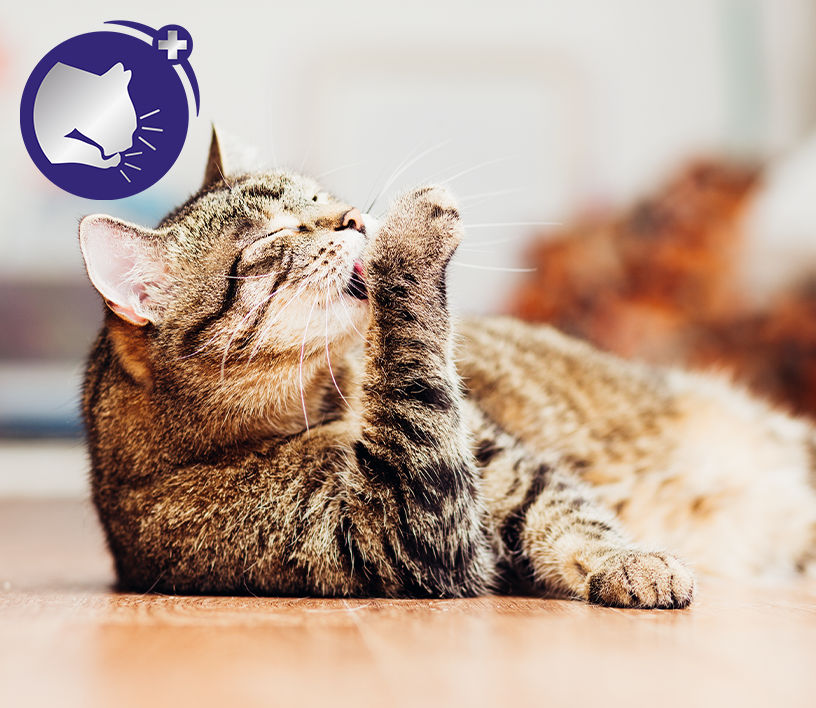
Lying on their side or stretched out – shows that they are relaxed and comfortable in a situation.
-
Crouched and tense body – a sign of feeling threatened or stressed.
Scent Marking
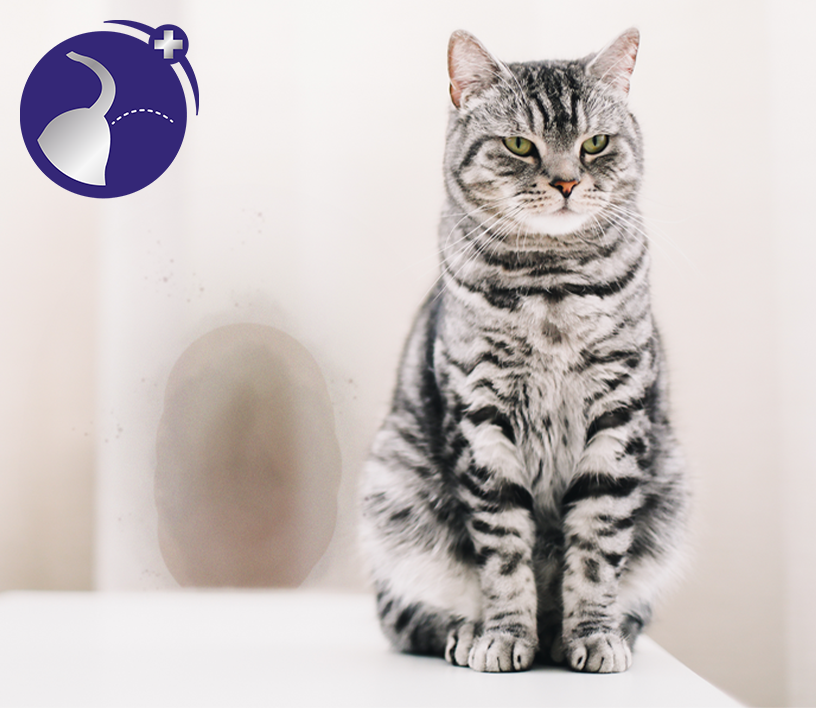
As mentioned, scent marking is crucial for cats and is their primary way of communicating with each other. They do this by leaving pheromone messages from their skin glands. When a cat is bunting or rubbing its face, it signals that they’re marking a familiar, safe territory.
At FELIWAY, we use these important pheromone messages to help cats feel more at ease. If you notice that your cat is showing signs of stress, FELIWAY Optimum is a pheromone solution that helps your cat feel enhanced serenity.

How to Communicate With Your Cat
Now you understand how cats communicate, you can better communicate with your own cat. Watching their body language will help you recognise how they’re feeling and respond appropriately. For example, if they appear relaxed, then you should remain calm; if they show signs of stress, give them space.
Using feline communication methods such as slow blinking can also help build trust. Blinking slowly back at your cat is a great way to offer reassurance and strengthen your bond together!
If you’d like more tips on cat communication, explore our other FELIWAY blogs and sign up to our newsletter to stay up to date with all our expert tips and advice.