






























Can Neutered Cats Spray? Solutions for a Calm Home


Can neutered cats still spray indoors? Many pet parents wonder: can neutered cats spray and do neutered cats spray after surgery? While neutering greatly reduces urine marking, can a neutered cat spray if stressed or unsettled? Yes—some cats can still spray after being fixed, especially if triggers persist. Below, we explain why this happens, how long after neutering cats stop spraying, and what to do if your cat suddenly starts spraying. If you’re asking, “why does my neutered cat still spray?” or “my cat was neutered but still sprays,” the guidance below can help
It’s important to think about the cause, see How to stop your cat spraying for more on this. Spraying is commonly used as a territory marker or as a signal to potential mates; however spraying may also be due to stress, illness, or if your kitty is unhappy with their environment.
Following the tips below will help you eliminate the causes of spraying and ensure your kitty is happy and relaxed!
6 TIPS TO STOP A NEUTERED CAT FROM SPRAYING
1. Check you’ve provided enough resources
Does your kitty have everything they need - particularly if there are lots of cats in your household?
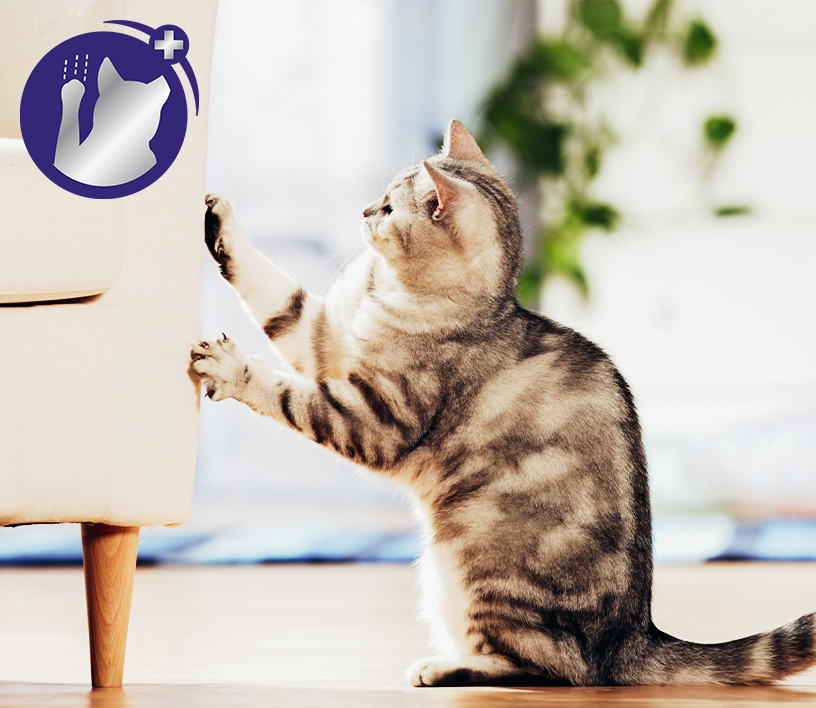
If there aren’t enough resources to go around, your cat may be spraying to mark their territory! Make sure every kitty in your house has their own food and drink bowl, litter tray, bedding and toys. You should always provide multiple scratching posts and lots of hiding places that your pets can escape to - cat trees are a good way to ensure there are enough high and low spaces for your pets!

2. Look at your litter trays
Our cats are very clean creatures and like to use a tidy, fresh and easily accessible litter tray to do their business. So if their toilet space isn’t cleaned regularly enough, is difficult to access or is shared with another cat, you might find that they start to spray or urinate elsewhere. Scoop daily, deep-clean weekly, and follow the “one tray per cat plus one” rule. Place trays in quiet, low-traffic areas away from food and water.
3. Consider other cats and conflict
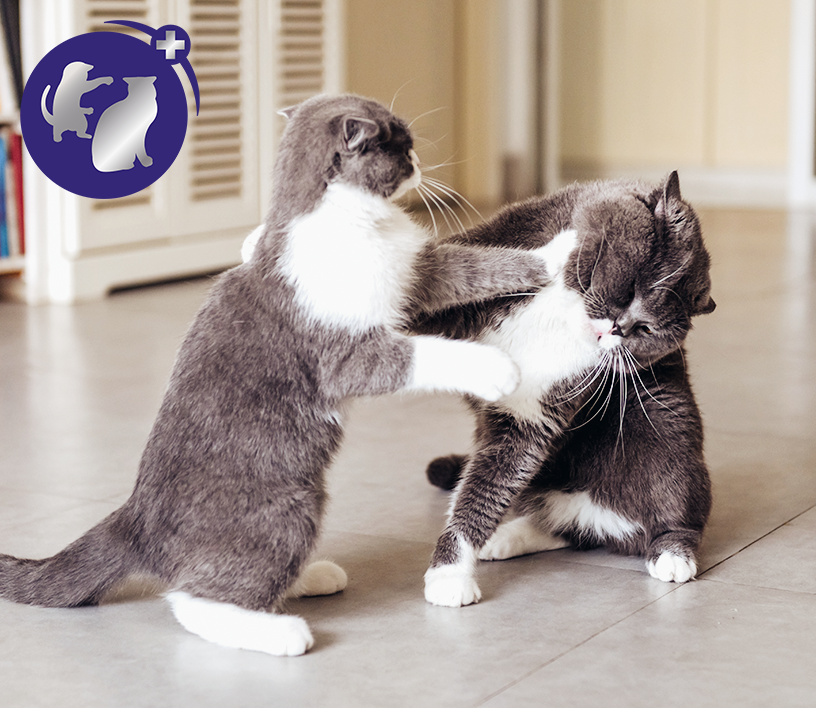
Is there any kitty conflict happening in your house? If your pet feels stressed by other cats they may be urine marking out of anxiety, or to show their territory. Outside cats, who may be visiting your garden or walking by, can cause a lot of stress for indoor cats. If this is a factor, try to block visual access to outdoor cats by closing curtains and blinds, use deterrents to stop neighbourhood cats from visiting and create separate core areas and resources for each pet to reduce tension at home.
4. Clean all existing spray marks
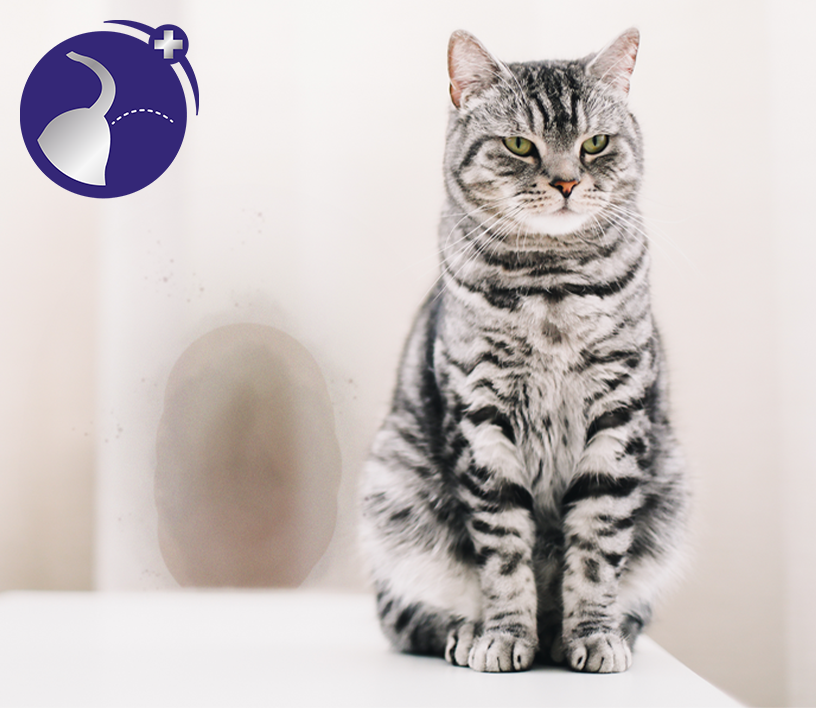
If you have any existing spray marks in your home, clean these as soon as possible. Otherwise, the scent of the marks will be a strong reminder to your kitty to come back and spray again. Use an enzyme-based cleaner (never one that contains ammonia) to clean any spray sites and soft furnishings and allow areas to fully dry before reintroducing your cat. This helps reset the environment and reduces repeat marking.
5. Check with the vet
If spraying is an unusual behaviour for your cat, or continues even after you’ve addressed other causes, make sure you take your kitty to the vet. Some health problems - such as urinary tract infections, bladder inflammation or pain - can cause your pet to urinate or mark outside of their litter box. A veterinary check can rule out medical issues, especially if your cat has suddenly started spraying after being stable for a while. This is essential if you're thinking "my cat was neutered but still sprays" and you want to rule out pain-related causes.
6. Create a reassuring environment
Does your cat have a calm, positive environment they can escape to? Our kitties like the reassurance of a controlled, structured environment with a clear routine - without it, they may spray out of stress or anxiety. To create a reassuring space, make sure you feed your cat at a similar time each day, provide regular interactive play sessions, and give them plenty of positive attention.
Try to limit any stressors suck as new people, new pets or even changes in your home like decorating.
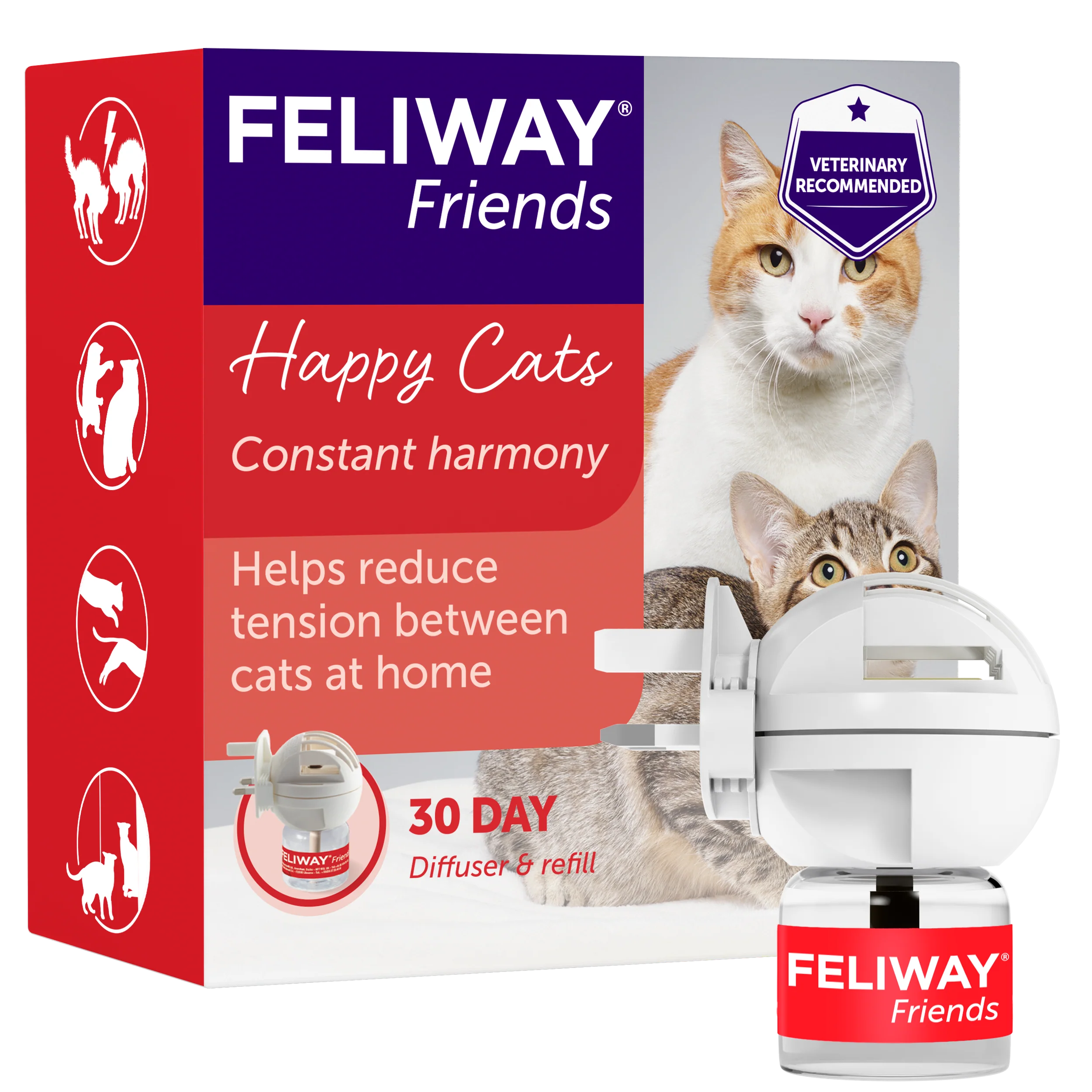
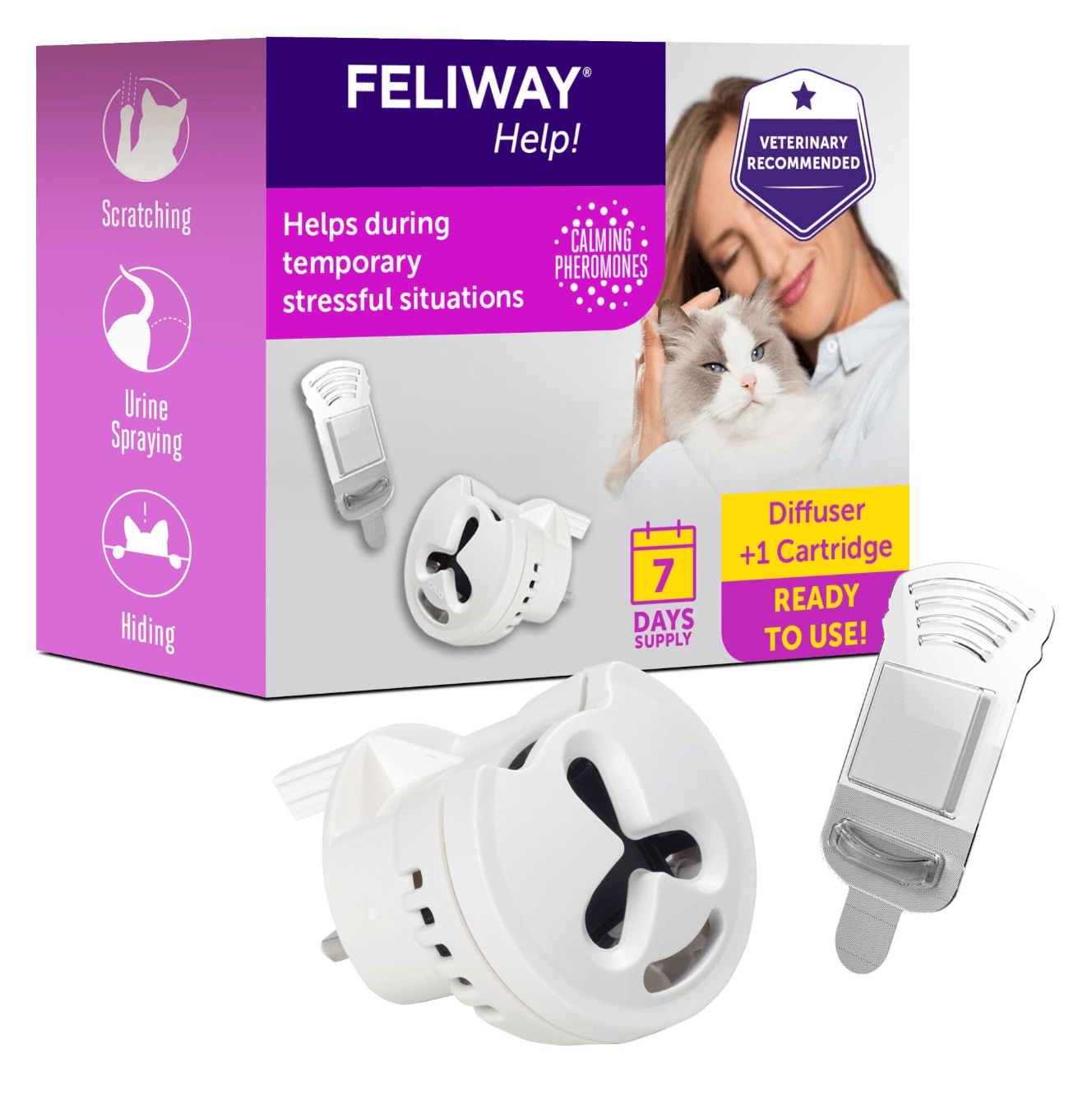
Using a Feliway Optimum Diffuser in the areas where your cat spends the most time, can also reinforce a calming home environment for your kitty and help to correct behaviours such as urinary marking by creating a calm comfortable atmosphere. Applying FELIWAY CLASSIC Spray to places where your cat has sprayed will also help to reduce stress, and stop your cat from returning to sprayed areas.
FAQs: Spraying After Neutering
Can neutered cats still spray indoors? Yes. Can neutered cats spray even after surgery? They can, though it’s less common.
Do neutered cats spray when stressed or triggered by conflict? They might, especially if resources are limited or outdoor cats are nearby.
Can a neutered cat spray due to medical issues? Pain or urinary problems can contribute.
So, can cats still spray after being fixed? In some cases, yes—addressing stressors and health concerns is key.
Why does my neutered male cat spray after being neutered? Residual hormones can linger for a few weeks, and learned behaviour or stress can maintain marking.
Do male cats spray after being fixed long-term? Most do not, but some can cats still spray after being fixed if triggers persist.
How long after neutering do cats stop spraying? Many cats reduce or stop within a few weeks; in some cases, it may take 1–2 months for hormones to subside and routines to settle.
Can spayed female cats spray urine to mark territory? Yes—while less common than males, some spayed females will still urine-mark under stress.
What causes a neutered cat to start spraying suddenly? Common causes include new pets, moving home, renovations, conflict with other cats, outdoor-cat intruders, dirty or insufficient litter trays, and medical issues.
Together, you and your cat can create a calm, happy environment. If you’ve asked yourself, “do male cats spray after being fixed,” “can neutered cats spray,” or “do neutered cats spray,” remember that with environmental tweaks, thorough cleaning, and veterinary guidance, most cats improve. And if you’re still wondering, “why does my neutered cat still spray” or “my cat was neutered but still sprays,” know that consistent routines and targeted support can help.
For clarity: can a neutered cat spray under stress? Yes—and addressing triggers is the best solution.
Are you looking for more tips on stopping cats from spraying or learning more to recognise signs of stress in cats? Get in touch! We’d love to hear from you and share all the advice we can. You can also stay informed with our latest tips and FELIWAY product advice by signing up to our newsletter.