

















The Quiet Language of Cats: How Cat Calming Diffusers Work and Why Placement Matters


Cats experience their world mainly through scent. Unlike humans, who depend on words and visual cues, cats use chemical signals called pheromones to communicate. These signals help them know if a place feels safe, familiar, threatening, comforting, or socially balanced.
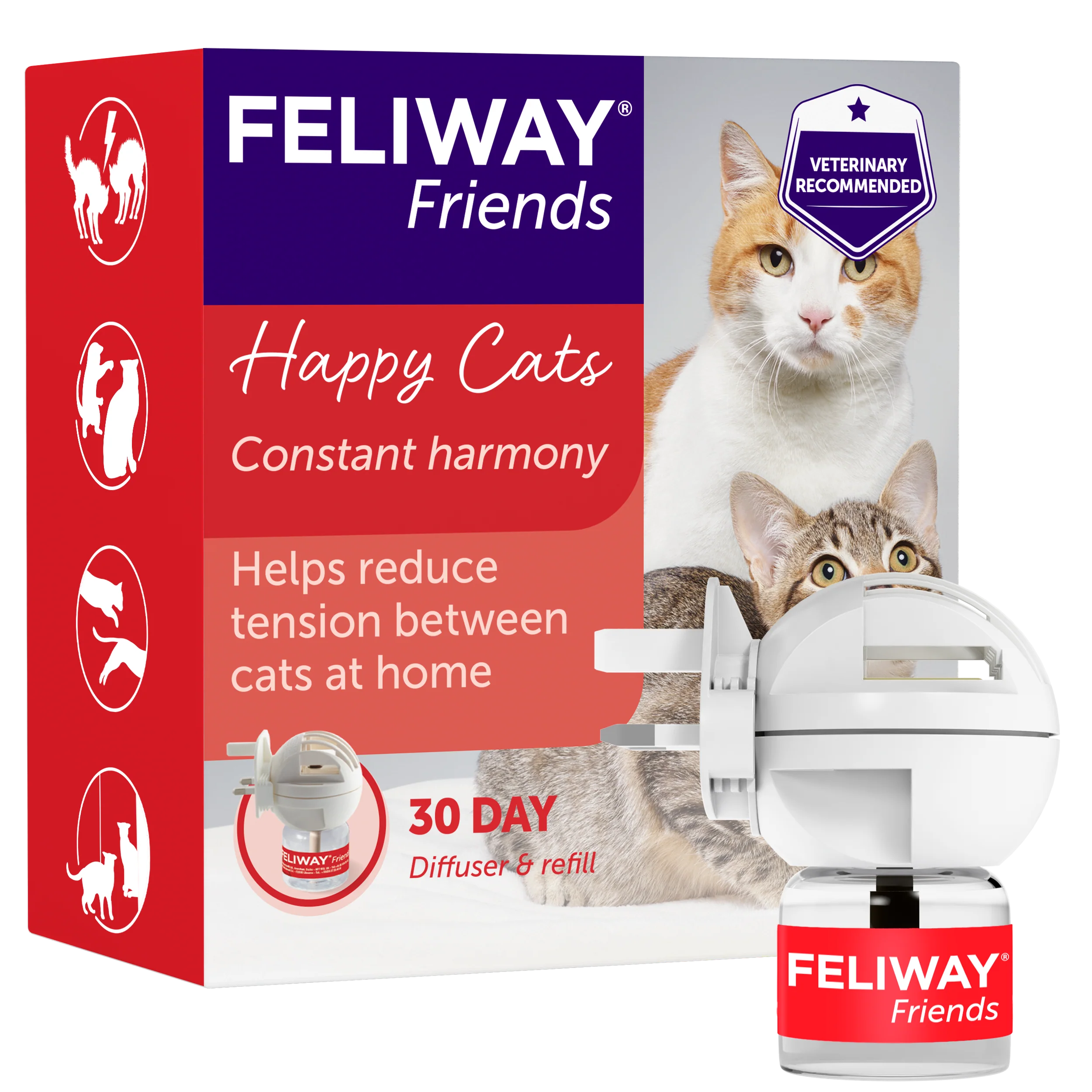
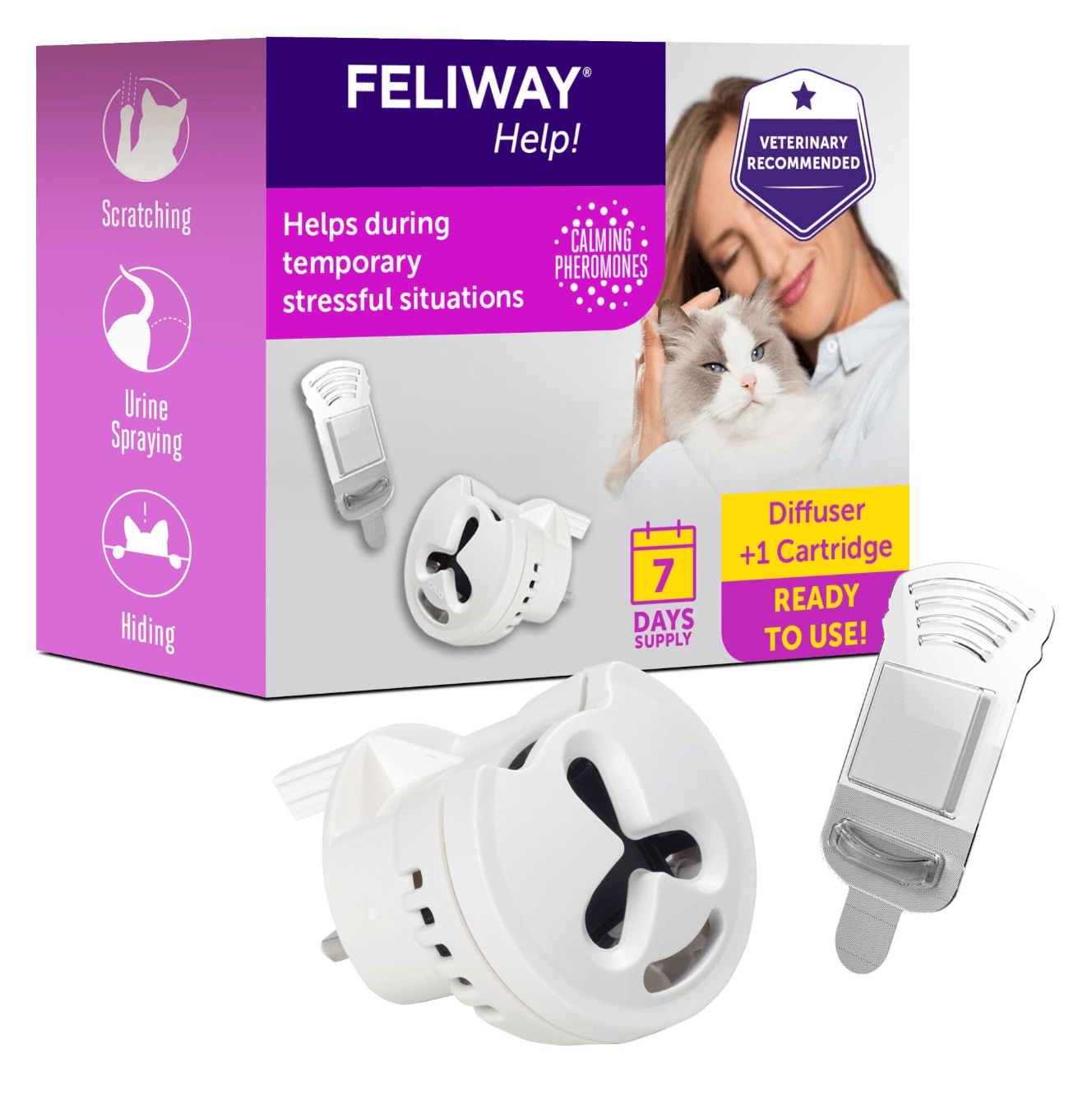
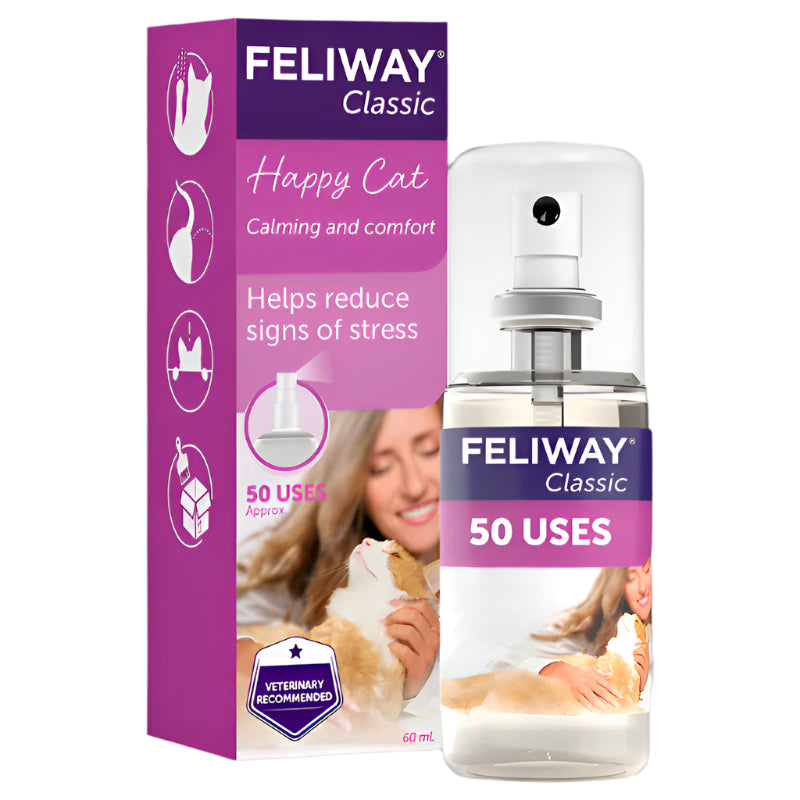
Calming diffusers can seem mysterious to many pet owners. These plug-in devices warm a liquid and release it into the air. The liquid contains synthetic pheromones that copy the natural signals cats use to mark their space as safe and familiar, helping anxious cats feel more secure. This simple idea is backed by years of research into how scent affects animals’ emotions and explains how cat calming diffusers work in everyday homes.
Used correctly, a feline pheromone diffuser can be valuable for helping cats cope with stress. However, to unlock their full potential, it's important to consider more than just the device itself. Placement, airflow, household layout, consistency, and expectations all play a bigger role than many people realise, guiding how calming diffusers for cats support wellbeing. Understanding how cat calming diffusers work helps set realistic goals for change.

Cats and the Science of Pheromones
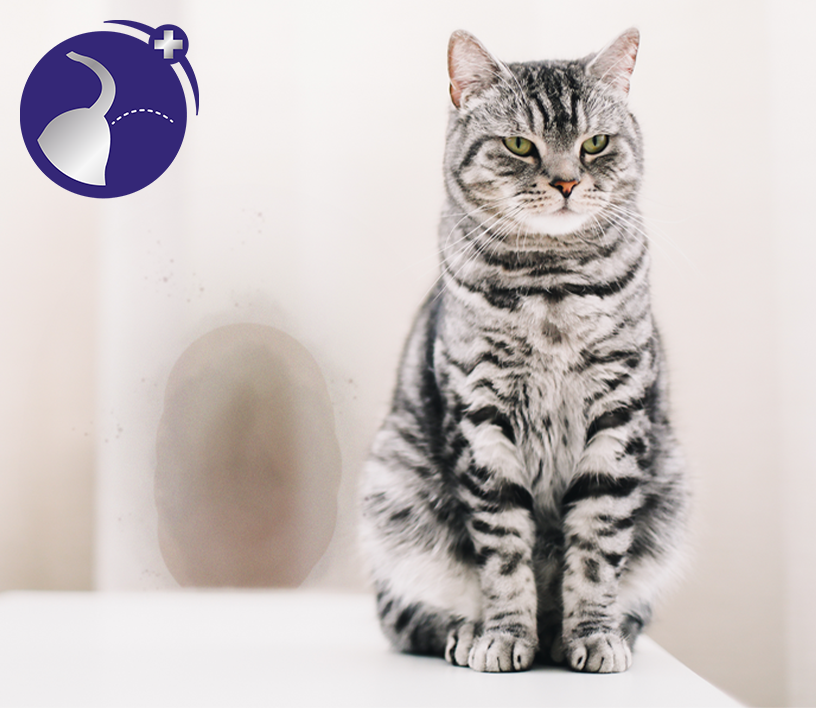
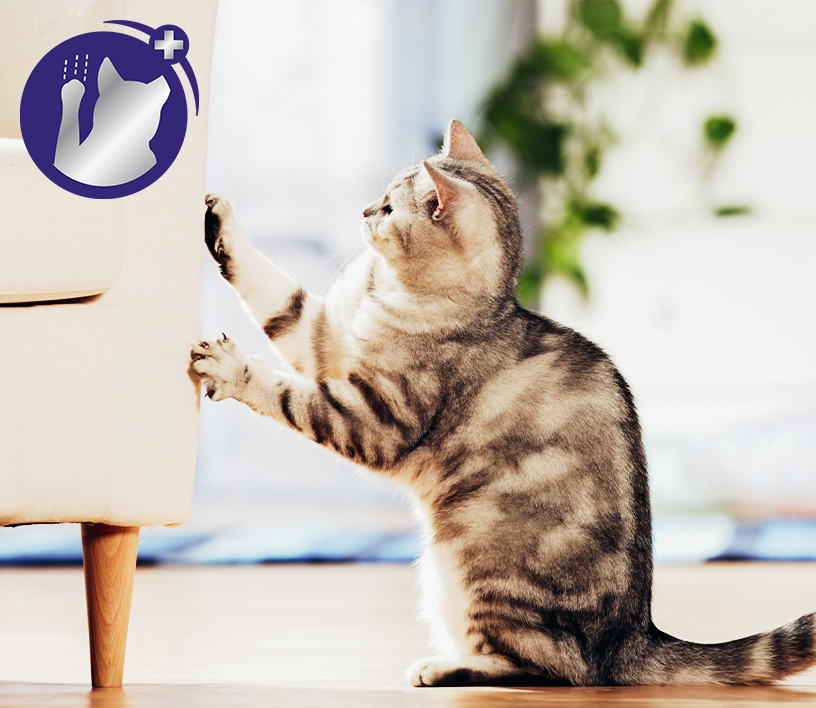
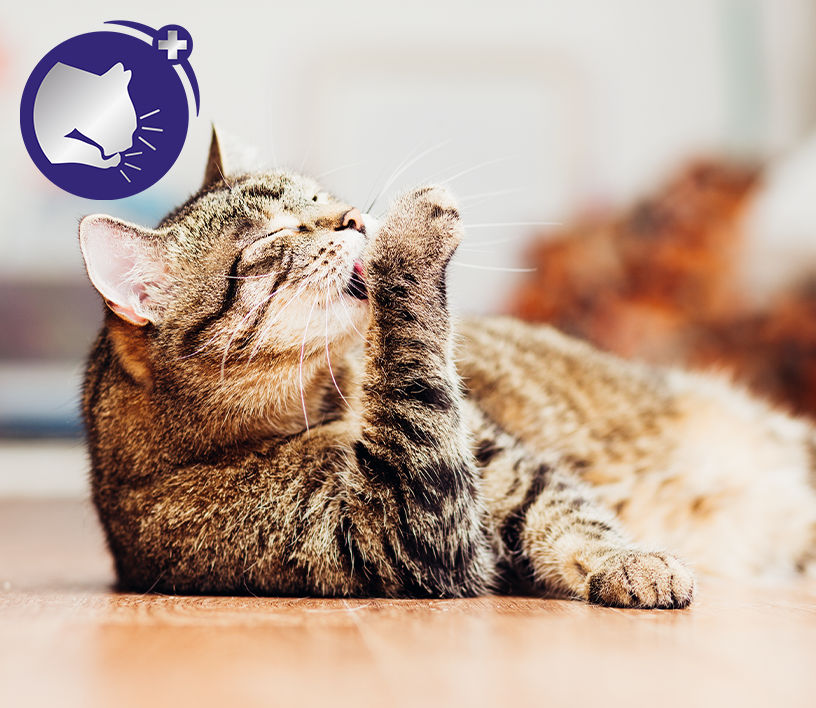
Pheromones are natural chemical signals that animals use to communicate with their own species. Cats deposit them when they rub their cheeks against furniture, scratch surfaces, groom, or interact socially with other cats.
When a cat rubs its face against your legs or the corner of a sofa, it is not just being affectionate. It is also leaving behind facial pheromones that help mark the area as familiar and safe.
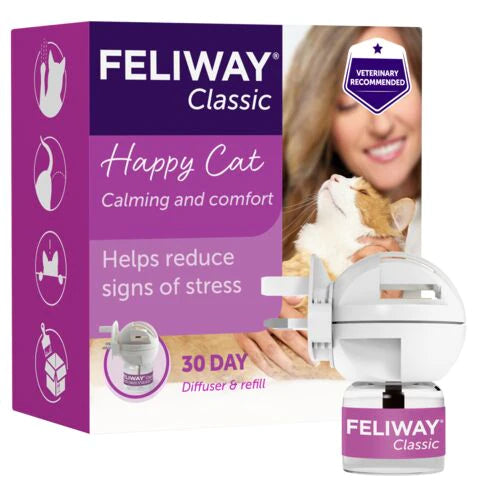
Synthetic feline pheromone diffuser products mimic these naturally occurring signals. Once heated in the cat calming diffuser, the pheromone analogue is slowly released into the environment. Cats detect it with their vomeronasal organ, part of the scent-processing system sometimes called “Jacobson’s organ.” A calming plug in for cats doesn’t sedate; it speaks a familiar chemical “language.”
Pheromones differ from sedatives because they do not force relaxation or alter a cat's physical state. Instead, they help cats feel safer and more at ease by making their environment seem familiar. In behavioural medicine, we often say they “lower the emotional volume” of stress instead of removing it completely. That’s a key part of how cat calming diffusers work and why a calming plug in for cats fits into a broader plan.
This difference is important. A diffuser alone cannot fix problems like not enough resources, fights between cats, pain, or ongoing fear. However, calming diffusers for cats can help create a calmer atmosphere, making it easier for your cat to learn, cope, and recover.
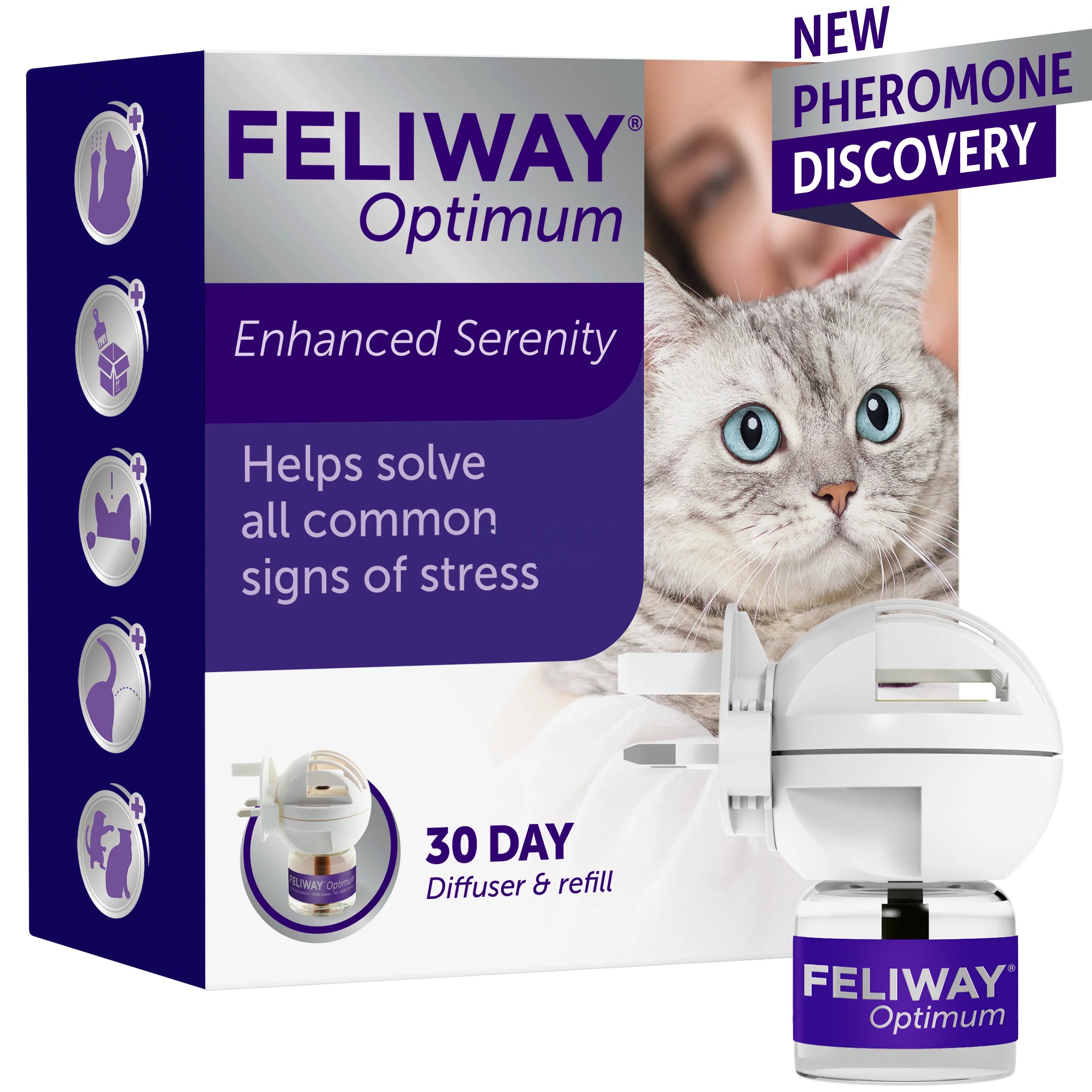
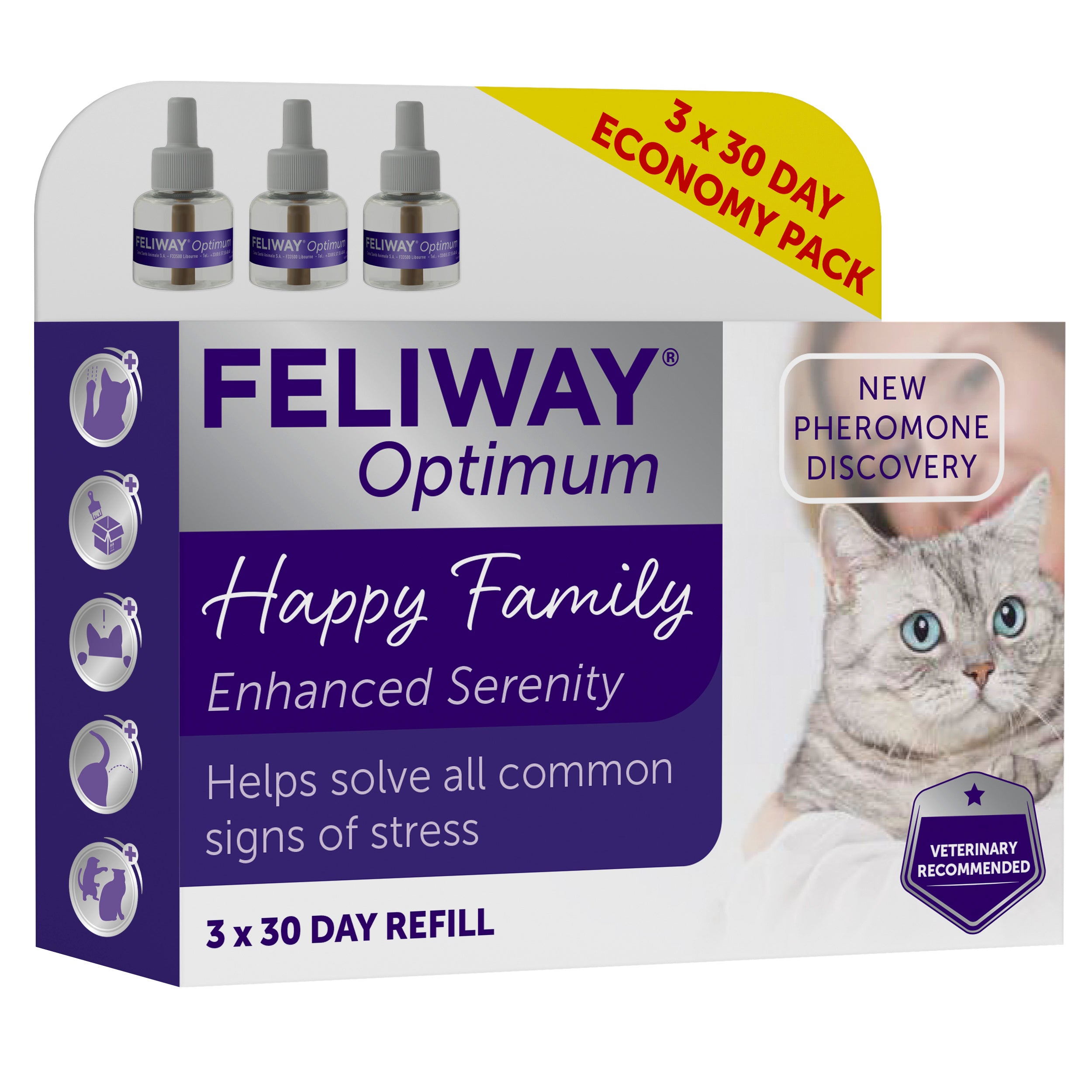
The patented Feline Pheromone Complex in FELIWAY Optimum sends multiple reassuring messages simultaneously for both environmental reassurance and social confidence. Developed after years of research, Optimum addresses a wider range of the common cat stress signs, helping cats feel safe, secure, and socially comfortable
Not Just for Cats
The use of pheromones in animal behaviour goes beyond feline medicine. Similar principles are used in veterinary and agricultural settings. They can be found with dogs, pigs, rabbits, and even horses.
In pigs, maternal appeasing pheromones have been studied for their effect on stress. They can help during weaning and mixing periods, which are emotionally challenging and disruptive. Research has explored their impact on aggression, feeding, and adaptation to new environments.
This wider use shows something interesting: chemical communication is a basic part of life for many animals. Before humans had language, animals used scent to share messages about safety, danger, territory, and social bonds.
Cats are still very skilled at using this ancient way of communicating.

With this context, you might wonder when calming diffusers are useful for cats.
Calming diffusers may support cats during:
· Moving house
· Introducing a new cat
· Veterinary visits or recovery periods
· Building work or environmental disruption
· Fireworks and loud noises
· Changes in routine
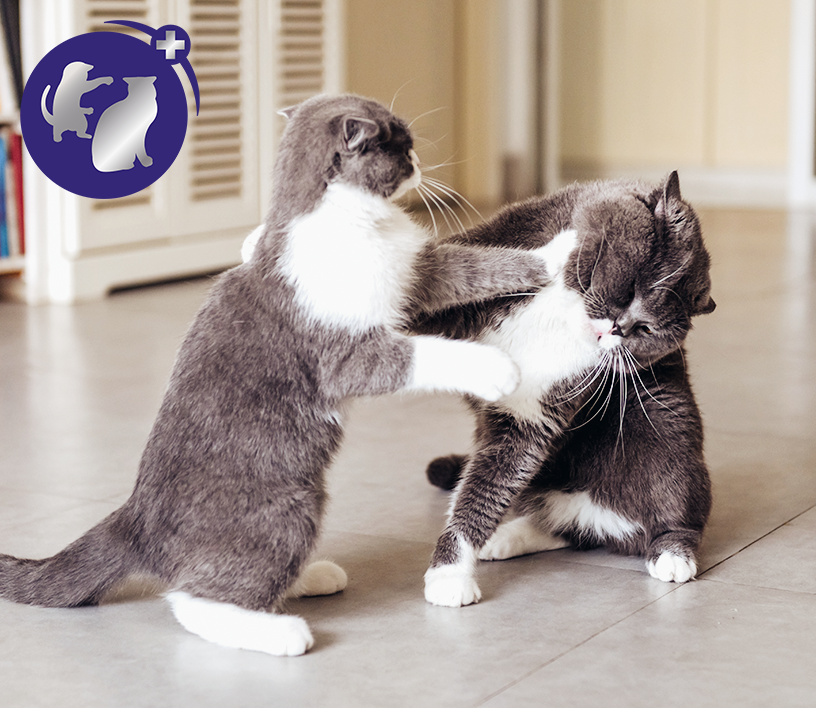
· Tension in multicat households
· Separation-related stress
· Hiding, overgrooming, urine marking, or conflict behaviours associated with signs of cat stress
They can also help kittens settle into a new home or senior cats cope with cognitive changes and increased sensitivity to environmental stressors.
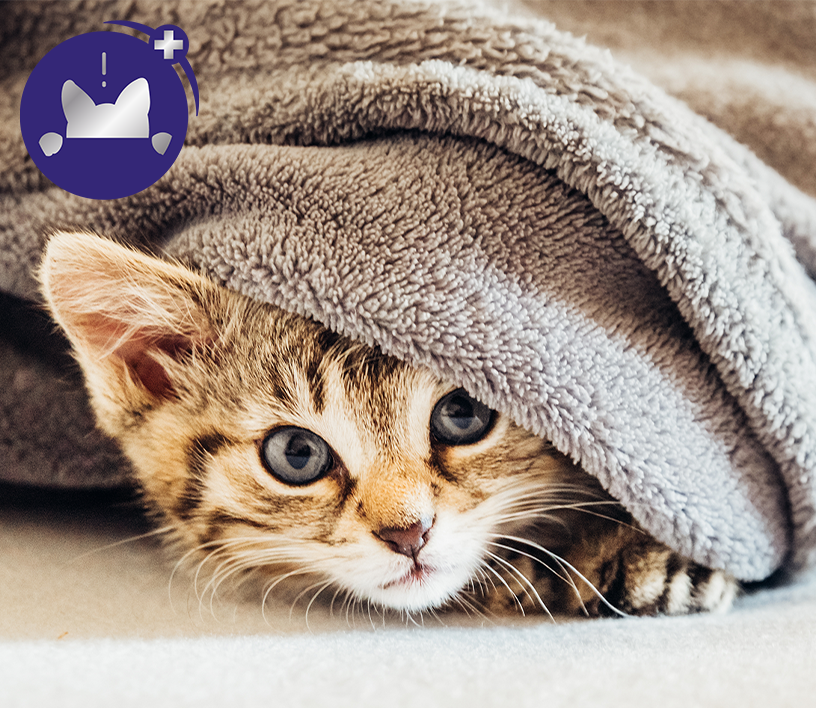
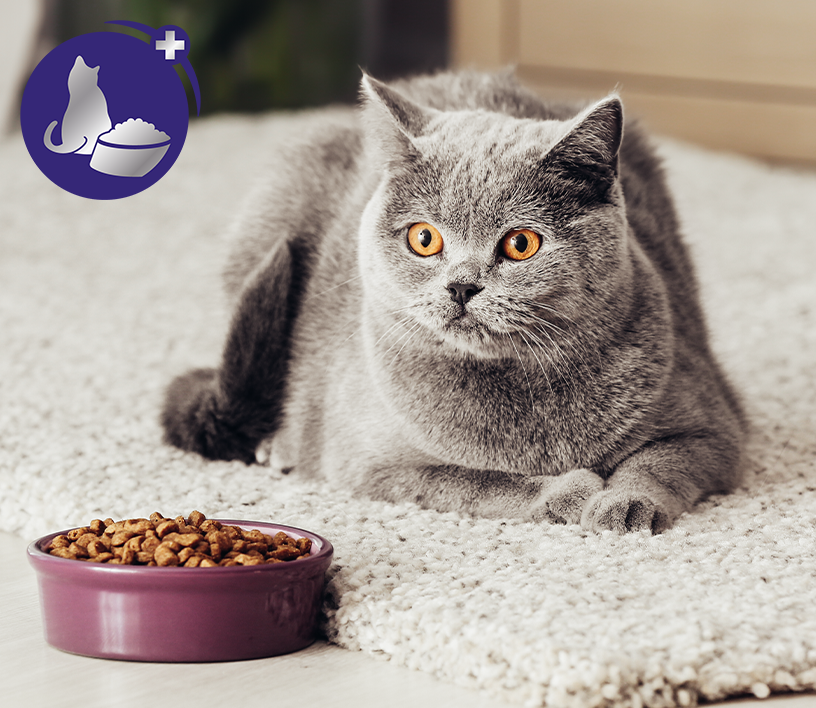
It is easy to miss subtle signs of stress in cats: less social interaction, sleeping more, changes in appetite, being extra alert, overgrooming, changes in toileting, or just being quieter than normal.
Patience Matters: Why 30 Days Is Important
Many people think calming diffusers work right away. Some owners do notice small changes within a few days, but pheromones are not meant to work instantly.
Most calming diffuser products should be used continuously for at least 30 days. This lets the pheromone create a consistent background signal in the environment. It gives the cat time to adapt emotionally and behaviourally. During this period, look for gentle shifts: increased relaxation, more confident movement around the home, reduced hiding or avoidance, and a cat appearing more at ease in their favourite places.
Some cats may show less tension in their body language, more interest in social interaction, or diminished signs of stress-related behaviours. These improvements are usually gentle and develop slowly, setting a realistic expectation for the changes to come.
Cats like routine and predictability. It takes time for them to trust their environment, especially if they are anxious or stressed. Consistency is important. If you turn the feline pheromone diffuser on and off, unplug it at night, or only use it sometimes, the pheromone signal is less effective. Also, we recommend to replace your diffuser plug-in with a new starter kit every six months.
The Most Common Mistake: Incorrect Placement
A common reason owners think diffusers do not work is poor placement. If you are not seeing results, try a few troubleshooting steps before giving up. First, check that the diffuser is in the right spot and not blocked by furniture or curtains. Next, make sure it has been plugged in continuously and not turned off at night or moved around, as these factors affect how the pheromone spreads. Also, consider your cat’s emotional needs, any conflicts, and any changes at home. Solving these issues and using the diffuser can really help your cat.

The diffuser should ideally be plugged in:
· In the room where the cat spends most of their time
· Into a single wall socket, not a multisocket with other things plugged in
· With roughly 1.2 metres of clear space above it
· In an area with good natural airflow
· At cat height or lower wall level, where possible
It should not be plugged:
· Behind curtains
· Under shelves or cabinets
· Behind sofas or furniture
· Directly under constantly open windows
· Near litter trays or food stations with poor ventilation
· Into extension leads
Not Just a Magic Plug-In: A Tool for Emotional Support
It can be tempting to think of a calming plug in for cats as a quick fix. However, it works best alongside environmental adjustments: adding more hiding spots, extra litter trays, separate feeding and water stations, vertical climbing areas, and safe, quiet resting places. Making your home more cat-friendly and using a feline pheromone diffuser like FELIWAY Optimum gives your cat a better chance to feel calm.
Pheromone diffusers are generally considered safe for kittens, senior cats, and cats with health issues since they mimic naturally occurring signals. If your cat has a specific health condition or if you are unsure about using a cat calming diffuser, it is always a good idea to consult your veterinarian. This extra step can give you peace of mind and help make the best decision for your cat's well-being.
A cat struggling with conflict may also need:
· More hiding spaces
· Additional litter trays
· Separate feeding areas
· Vertical climbing options
· Predictable routines
· Pain assessment from a veterinary professional
A fearful cat may need:
· Gradual desensitisation
· Reduced exposure to triggers
· Positive reinforcement
· Safe retreat areas

In the end, understanding how cat calming diffusers work helps humans and cats better connect. Calming diffusers for cats provide gentle yet real support for your cat’s well-being. As you start using calming diffusers, look for both improvements and any ongoing signs of stress in your cat. Side effects are rare, but if you notice unusual reactions in your cat or in people in your household, stop using the diffuser and seek veterinary advice. If stress behaviours persist or worsen, talk to your veterinarian for a tailored plan. A professional can help make sure your cat gets the care and support they need.
Explore more of the FELIWAY blog online for expert-backed advice and insights. And don’t forget to sign up to our newsletter to stay up to date with the latest tips and product support for a happier, calmer cat!