
























From Kittens to Senior Cats: Understanding Your Cat's Emotional Needs


Part 1 of 2
Cats are often described as independent animals, yet emotionally they are shaped by predictability, territory, social stability, and environmental safety. Cat behaviour does not occur in isolation; it is the outward expression of an animal responding to internal and external stimuli. What can appear to owners as unwanted behaviour, aggression, or withdrawal is frequently a behavioural adaptation to stress, uncertainty, frustration, discomfort, or conflict. Understanding cat behaviour across life stages helps explain why cats knead blankets and people, why a cat purrs loudly, and when a cat is considered anxious or stressed.
Importantly, cats do not experience stress uniformly throughout life. A kitten learning about the world, an adolescent cat navigating social maturity, and a senior cat coping with cognitive or physical decline all face different emotional challenges. Recognising cat behaviour across life stages allows owners to spot stress-related patterns, address adolescent cat behaviour problems early, and support age related cat behaviour issues compassionately.
Behavioural welfare is not simply about preventing undesirable behaviour. It is about identifying what emotional need the behaviour represents. Cats communicate through posture, movement, scent, social interaction, withdrawal, and change. For example, kneading often reflects comfort and residual kitten behaviour development associated with nursing, while loud purring can signal contentment or self-soothing during stress or pain. Humans often interpret feline actions through a human lens, but cat behaviour is best understood from the cat’s perspective.

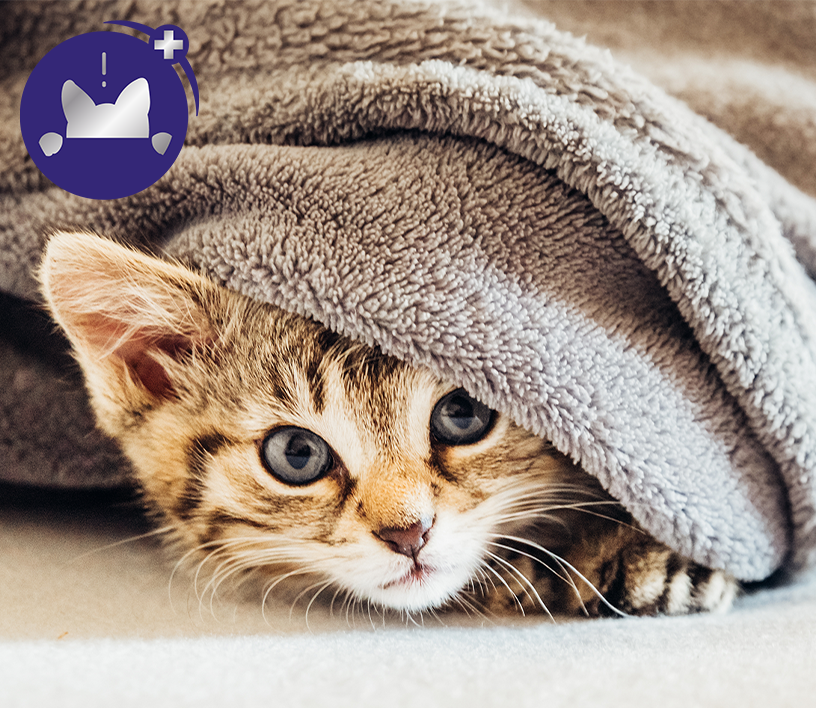
Kittens: Learning Whether the World Feels Safe
Kittenhood represents one of the most behaviourally significant periods in a cat’s life. During early development, kittens pass through sensitive socialisation periods in which experiences shape future emotional responses to people, animals, handling and environments. Positive experiences during this time can build resilience and confidence, while frightening or unpredictable experiences may contribute to fear-based responses later in life.
Owners often focus on physical milestones such as vaccinations and feeding schedules, but emotional development is equally important. The first weeks in a new home challenge a kitten to adapt to unfamiliar smells, routines, handling, sounds, and social relationships while still developing behavioural coping strategies.
Support during this stage should focus on creating predictability and positive associations rather than simply preventing unwanted behaviour. A frightened kitten is not being “difficult”; it is attempting to regain a sense of safety in an unfamiliar environment.
Common stress-related behaviours in kittens may include:
· hiding
· reduced play behaviour
· hypervigilance
· excessive vocalisation
· avoidance of handling
· fear responses or during transport veterinary visits
From a behavioural perspective, early emotional learning has long-term consequences. Kittens repeatedly exposed to calm, predictable, positive experiences are more likely to develop adaptive coping strategies in adulthood. Conversely, repeated fear or unpredictability may increase sensitivity to stress later in life.
This is why positive reinforcement and emotional conditioning are so important during kittenhood. Behavioural resilience is not built through forced exposure or “getting used to it”, but through allowing kittens to experience novelty at a pace where they still feel safe enough to learn.

Adolescents and Adults: Behaviour Change Is Communication
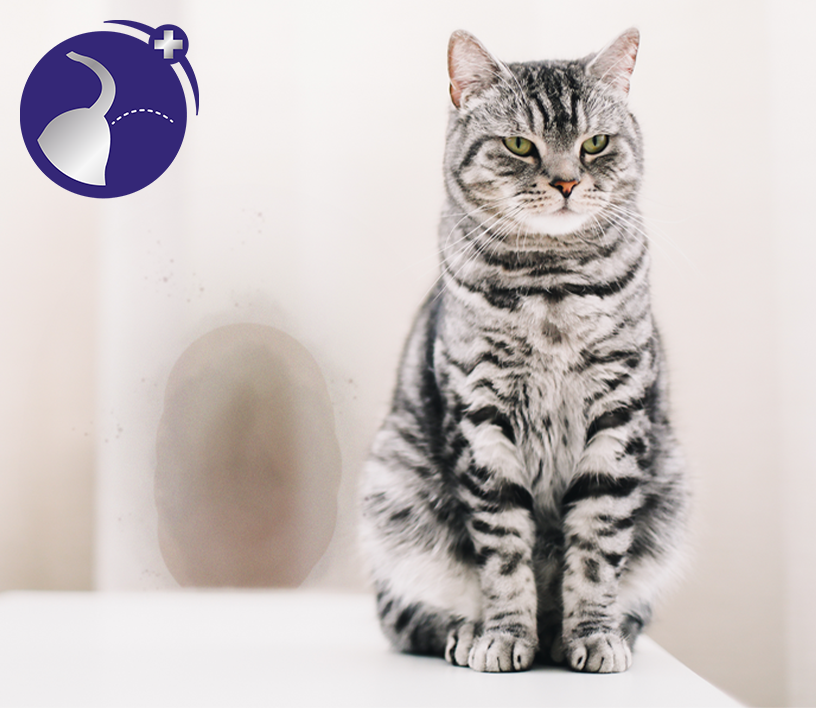
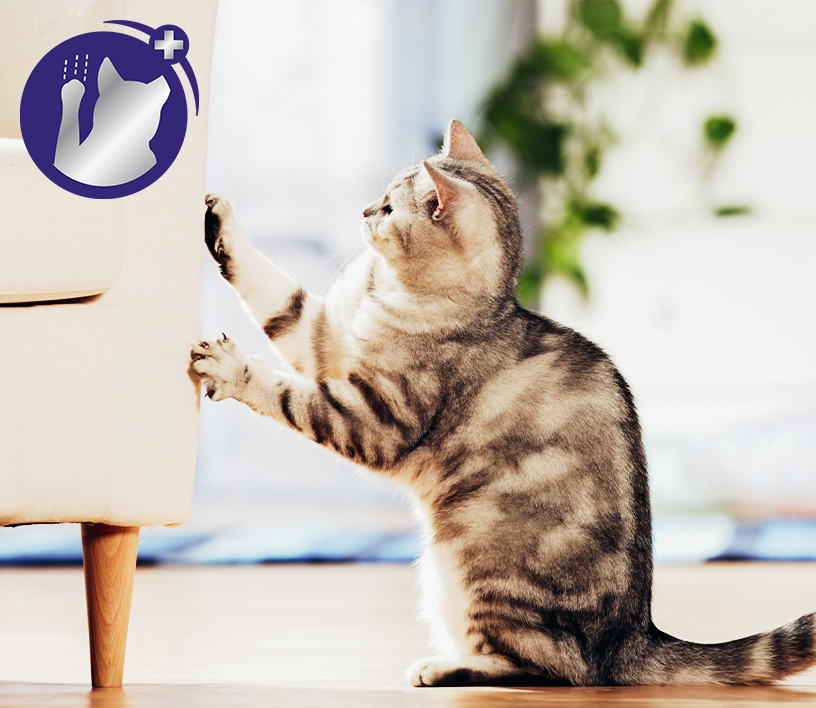
Adolescence is socially complex. Adolescent cat behaviour problems often emerge as social maturity increases territorial awareness and frustration. Scratching and spraying serve communication and emotional regulation. To stop furniture scratching, provide sturdy vertical and horizontal posts in key locations, use pheromone products, reward desired scratching, and cover or temporarily block targeted furniture. Never punish; it increases anxiety and rarely resolves the cause.
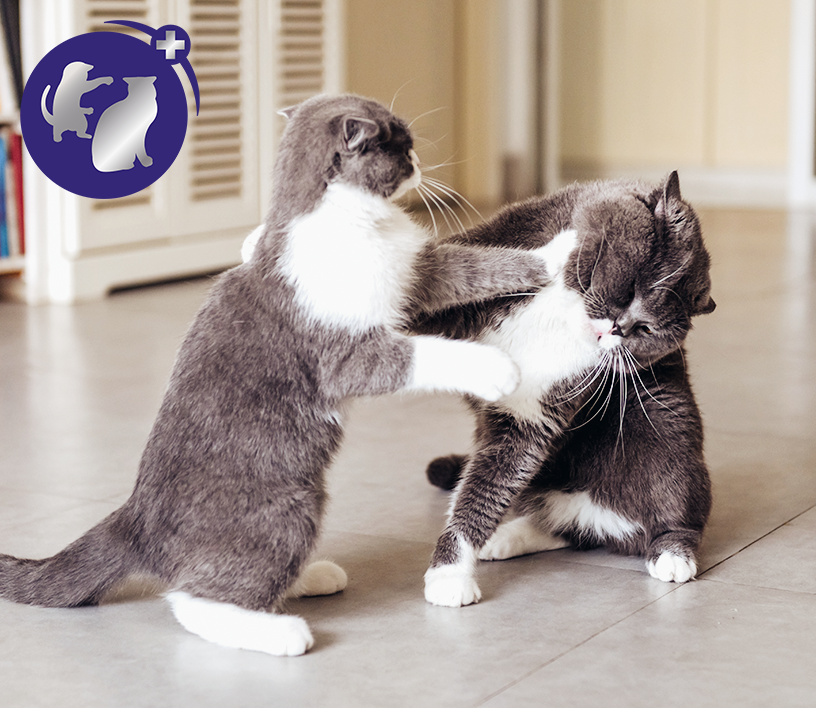
Cats may also react to outdoor cats near windows, leading to redirected arousal. Increase resource distribution (litter trays, resting spots, feeding stations) to reduce tension, use window films to limit visual triggers, and provide daily interactive play to discharge energy. If your cat brings dead animals into the house, remember this reflects normal predatory cat behaviour; keep cats indoors at high-risk times, use wildlife-safe collars, and satisfy hunting needs with play and food puzzles.
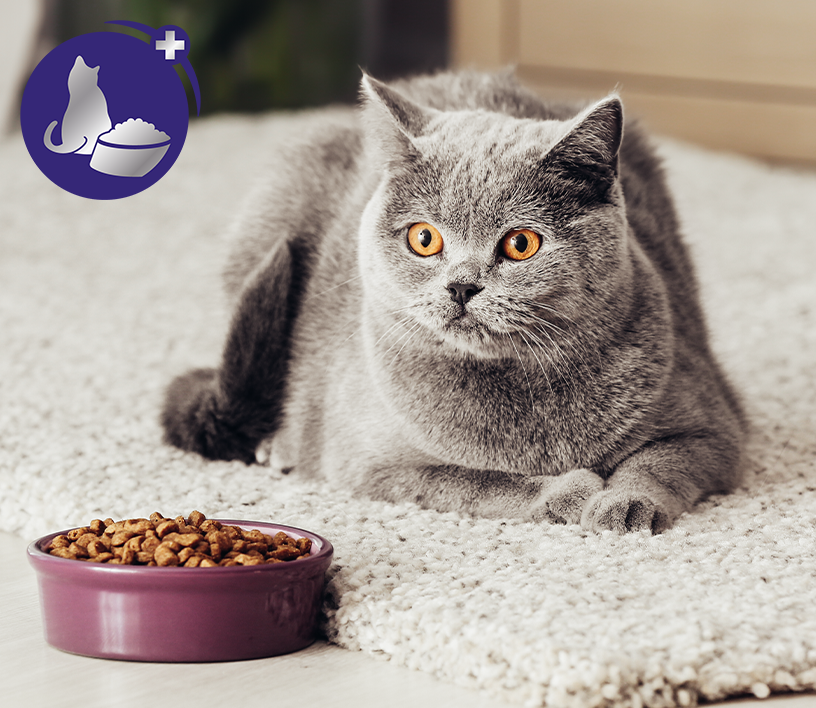
Adult cats experience environmental changes—moves, renovations, visitors, new pets—that can elevate stress. Loud purring can mean contentment after play or be a coping signal during discomfort. When is a cat considered anxious or stressed? Persistent hiding, appetite change, toileting outside the tray, overgrooming, increased startle, altered sleep, or excessive attachment/withdrawal indicate concern. Consult a veterinarian to rule out medical causes, then address environmental stressors.

Senior Cats: When the World Becomes Harder to Navigate
Age related cat behaviour issues often stem from pain, sensory decline, or cognitive change. Older cats may vocalise at night, become unsettled, or avoid jumping. Provide low-entry litter trays, non-slip pathways, night lighting, and easily accessed resting places. Maintain predictable routines and minimise social pressure. Loud purring in seniors can be self-soothing; increased restlessness or confusion can mark anxiety or cognitive dysfunction—seek veterinary assessment promptly.
Answering Common Questions
- Why does my cat knead blankets and people? Kneading is rooted in kitten behaviour development linked to nursing and comfort; it often signals relaxation and positive association with a person or place.
- What does it mean when a cat purrs loudly? Loud purring can indicate contentment during calm interaction, or self-soothing when a cat is stressed or in pain; consider context and other signs of cat behaviour.
- How can I stop my cat from scratching the furniture? Offer attractive posts near preferred spots, reward use, add horizontal scratchers, use pheromones, trim nails, and protect or block furniture; address adolescent cat behaviour problems by reducing stress and increasing play.
- Why does my cat bring dead animals into the house? This is normal predatory cat behaviour; limit outdoor hunting with supervised time or deterrent collars and meet hunting needs with play and food puzzles.
- When is a cat considered anxious or stressed? Consistent signs such as hiding, hypervigilance, appetite or toileting changes, overgrooming, or altered sleep indicate stress; across cat behaviour across life stages, seek veterinary and behavioural guidance.
Ultimately, behaviour is communication. Whether it is a kitten hiding, an adolescent scratching, or a senior vocalising at night, these patterns reflect emotional or physical needs. By understanding kitten behaviour, adolescent cat behaviour problems, and age related cat behaviour issues within cat behaviour across life stages, owners can respond with empathy, structure, and timely veterinary support.
Ready for part 2? Read on here
If you’d like to learn more about feline well-being, explore more of the FELIWAY blog online for expert-backed advice and insights. And don’t forget to sign up to our newsletter to stay up to date with the latest tips and product support for a happier, calmer cat!