






















5 Reasons Why Your Cat Might Be Urinating in the House


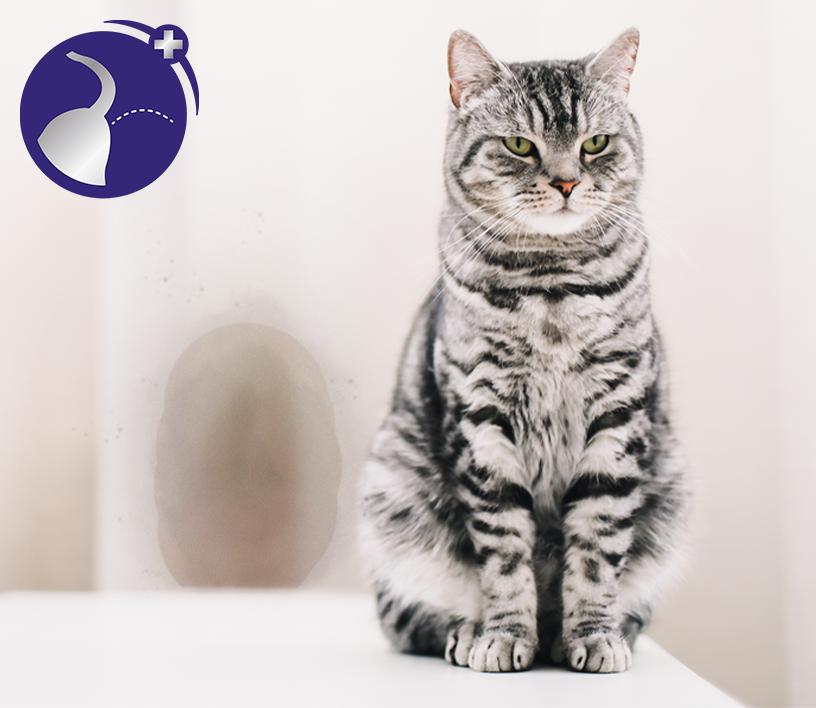
Have you noticed your cat has started peeing the house all of a sudden? Accidents can happen to even the most controlled kitty!
However, if your cat’s bathroom behaviour has changed noticeably, it’s time to investigate the cause. Unusual bathroom conduct can be unpleasant – but it can also be a sign that your feline friend is unhappy, stressed, being territorial, or that they’re feeling poorly.
In short, it’s important to understand why your cat has started peeing in the house – and what you can do to stop it.
To help you find out how your cat is feeling, we’ve listed 5 common reasons your cat might be urinating outside of their litter box.
1. Your Cat Needs A Set Routine
Did you know your cat is a little bit of a control freak? In fact, they feel most secure when their daily routine is consistent and predictable.
Anything that interrupts their schedule – such as changes to feeding times, outdoor access, or household activity – can make them feel unsettled. In response, some cats may urinate in unexpected places as a way of coping with that change.
If your cat has started peeing in the house, it’s important to consider whether any disruption might be concerning your kitty, and aim to maintain a regular routine wherever possible:
-
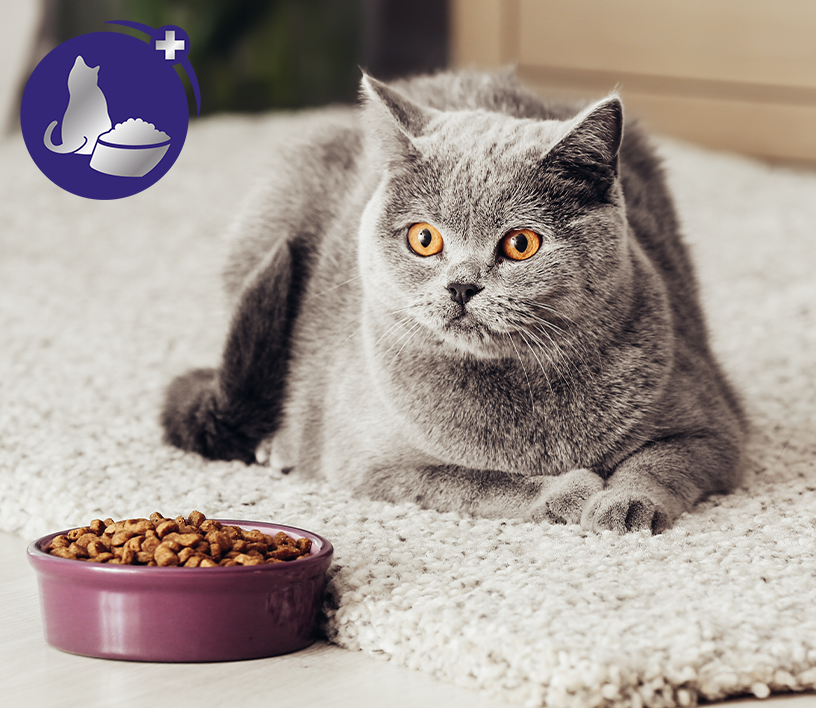
Feed your cat at the same time each day
-
Keep playtime and interaction consistent
-
Maintain predictable access to outdoor spaces (if available)
Remember, providing structure can help your cat feel more secure in their environment!

2. Your Cat Might be Stressed
Often, unexpected urinating in the house is a way for your cat to tell you they're feeling stressed. There are lots of things that can cause a cat to feel stressed, so it’s important to understand what affects how a cat feels.
Common stress factors for cats can include:
-
A change in routine
-
Changes in the environment, such as a new baby, other cats, different people in the house, or disruption such as decorating
-
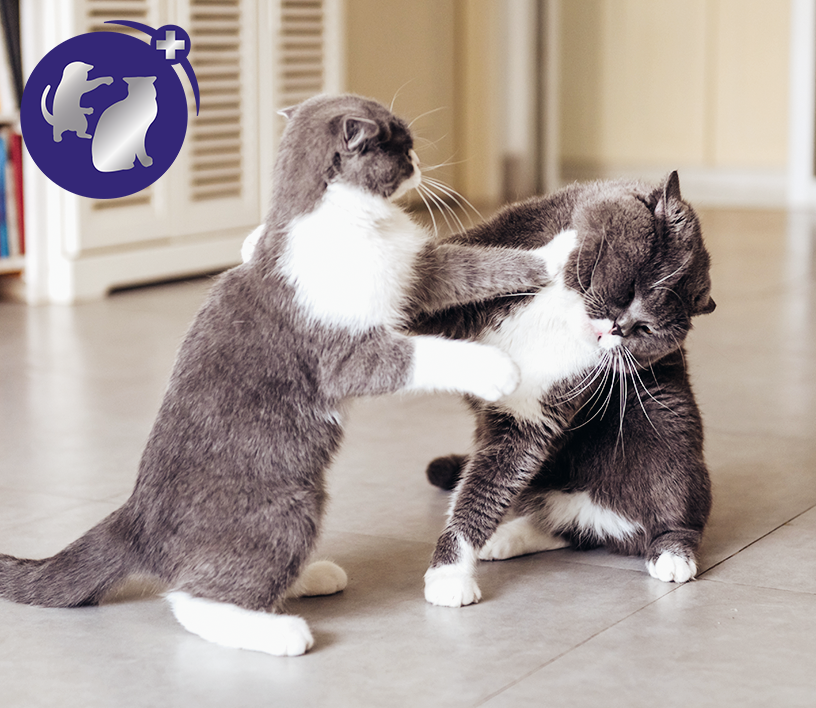
Competition with other cats for resources such as scratching posts, toys, food, or space
-
Contact with other neighbourhood cats – even if it’s just spotting them through the window
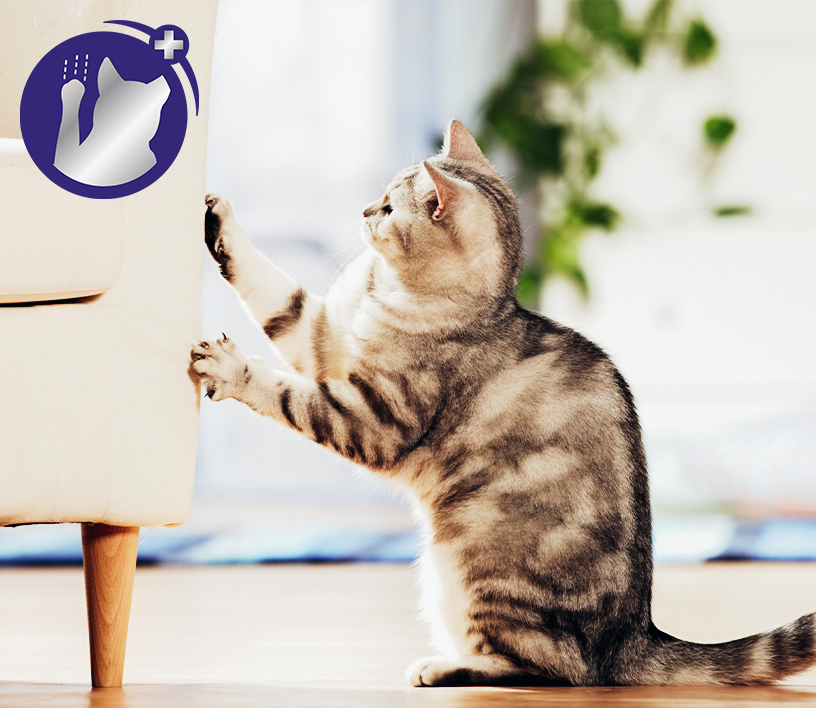
If your cat is spraying or urinating in the house, on furniture, or against the walls, try to figure out if something is worrying them. Stress can create other problems too, such as widespread house scratching and overgrooming – so finding a solution will help more than stopping them peeing in unexpected places!
3. The Litter Box Isn’t Up To Scratch!
Cats can be very particular about their toileting environment. So, the question is, how often do you clean and replace the litter in your kitty’s litter box?
If your cat is avoiding their litter tray and has started peeing in the house all of a sudden, your routines might not be up to scratch!
Consider the following factors:
-
Cleanliness – Cats are very clean creatures and prefer to do their business in a tidy, fresh place! Make sure you keep their litter boxes scooped frequently – at least daily, and always after each use. Litter boxes should also be cleaned fully at least weekly.
-
Access – Can your cat always access their toilet area? Litter boxes should always be easy to reach and kept in an accessible area – especially for elderly cats who may not be as mobile as they used to be.
-
Location – Does your cat have a quiet, private space to go to the toilet? In addition to accessibility, the location of their litter box is an important factor. Make sure litter boxes are set in a spot where your cat won’t be disturbed, and keep them away from food and water areas.
-
Size – The litter tray should be large enough for them to be able to move around in the tray, we recommend 1.5 times the length of the cat, with at least 3cm depth of litter substrate.
Remember, even small adjustments can make a big difference to stop your cat peeing in the house!

4. Your Cat has Learned a New Habit
Does your cat return to the same spot to pee in the house time and time again? They might have developed some new and unwanted habits!
If your cat has already urine marked in an inappropriate spot, they may be tempted by the scent to return and re-mark the area. Cats rely heavily on smell, and even if we can no longer detect it, they probably can.
To break the cycle:
-
Clean the area thoroughly using an enzymatic cleaner.
-
Avoid ammonia-based products (these can actually mimic the smell of urine and attract cats back to the same spot!).
-
Check the location of litter trays to see if they could be better placed, or whether you may need an additional tray in a multi-cat household.
-
Limit access to the area temporarily if needed.
5. Your Cat May Be Unwell
While changes in toileting behaviour are often caused by stress or environmental changes, it’s also hugely important to check if your cat has started peeing in the house as a result of their health. Your cat may have a health issue, such as urinary tract problems, sore joints or medical condition.
If the change in toileting behaviour is sudden or accompanied by other signs – such as discomfort, increased thirst, or lethargy – it’s important to consult your vet as soon as possible. Remember, ruling out medical causes should always be a priority.
The Solution? Creating A Happy Cat Environment
Whatever the cause of your cat suddenly peeing in the house, creating a calm, secure and loving environment is an important step in helping your cat feel safe and reducing unwanted habits. Strengthening the bond between you and your cat through reassurance, routine and a supportive environment can make a real difference.
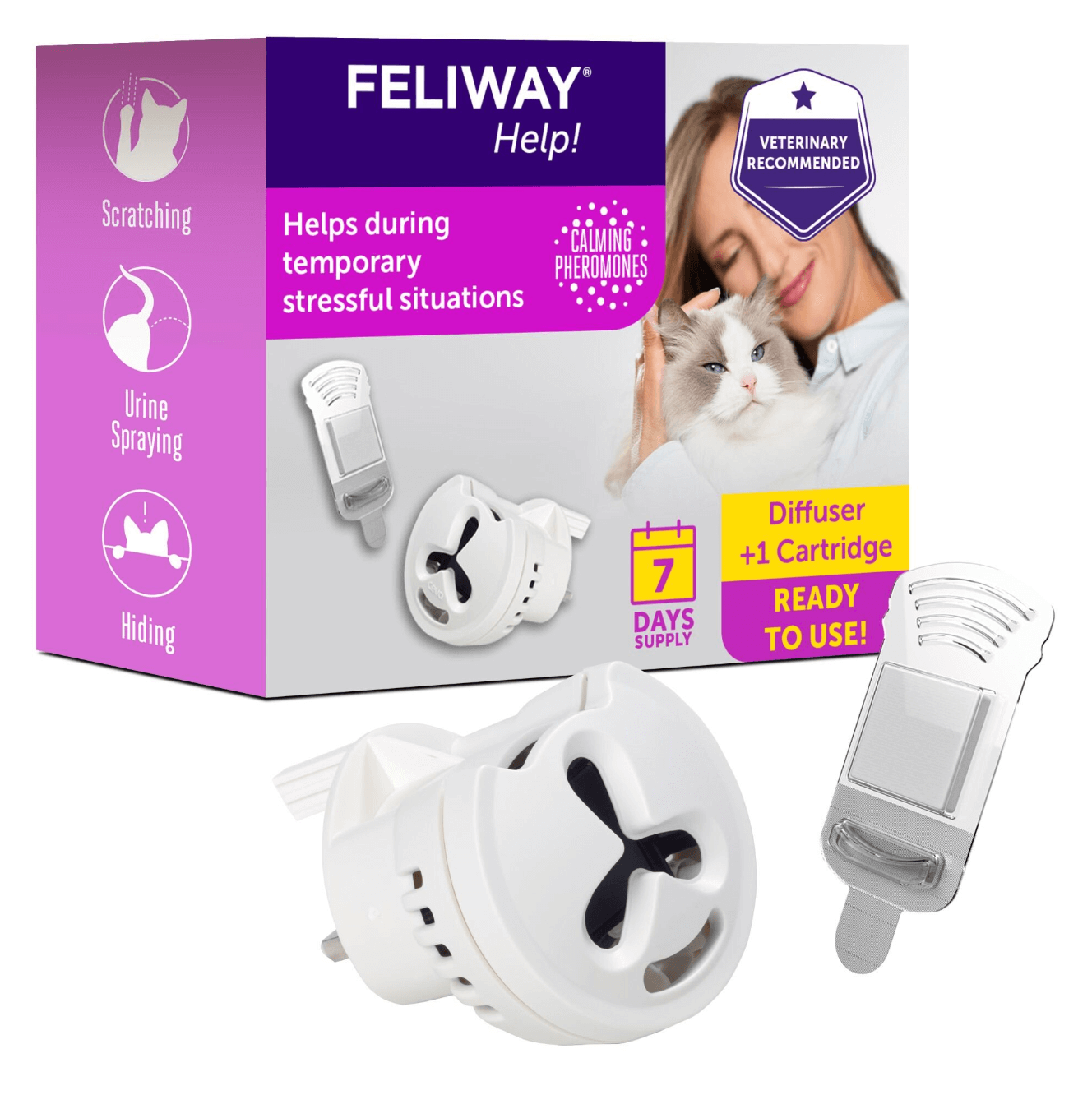
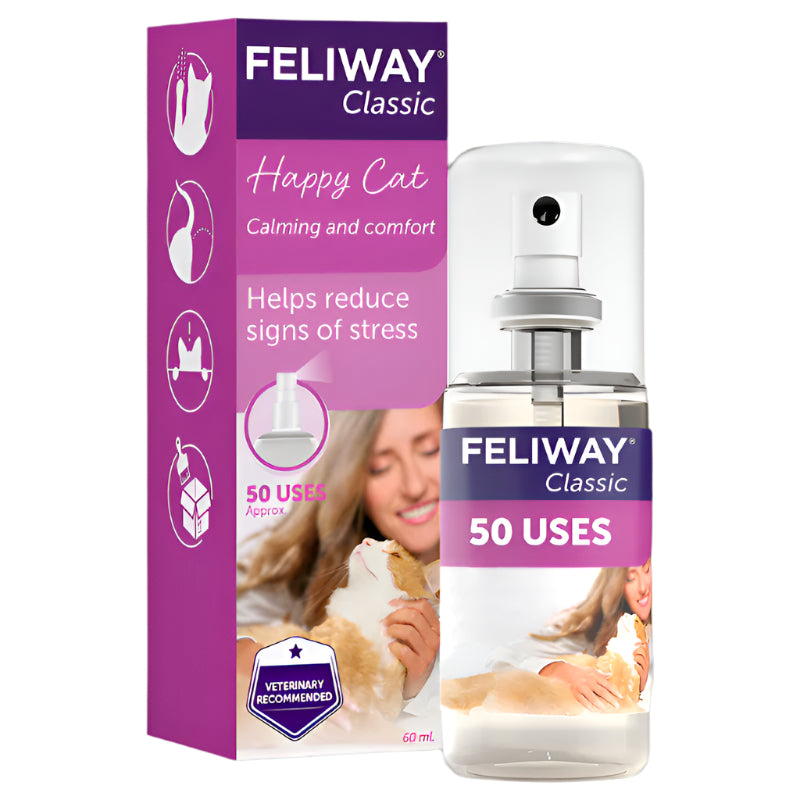
And to take this support even further, using FELIWAY Optimum is a clinically proven way to help create a comforting space for your cat, reducing stress-related behaviours such as urine spraying in as little as 7 days. By releasing comforting pheromone messages, it helps cats feel more relaxed and secure at home, supporting harmony in the household and nurturing a more supportive and loving cat-human relationship.
If you’d like to know more tips about leaving cats home alone, check out all our other fantastic blogs online! Or if you have any questions, please don’t hesitate to get in touch – we’ll be delighted to share all the insights we can. And while you’re here, don’t forget to sign up to our newsletter to stay up to date with all our latest news, articles, and products